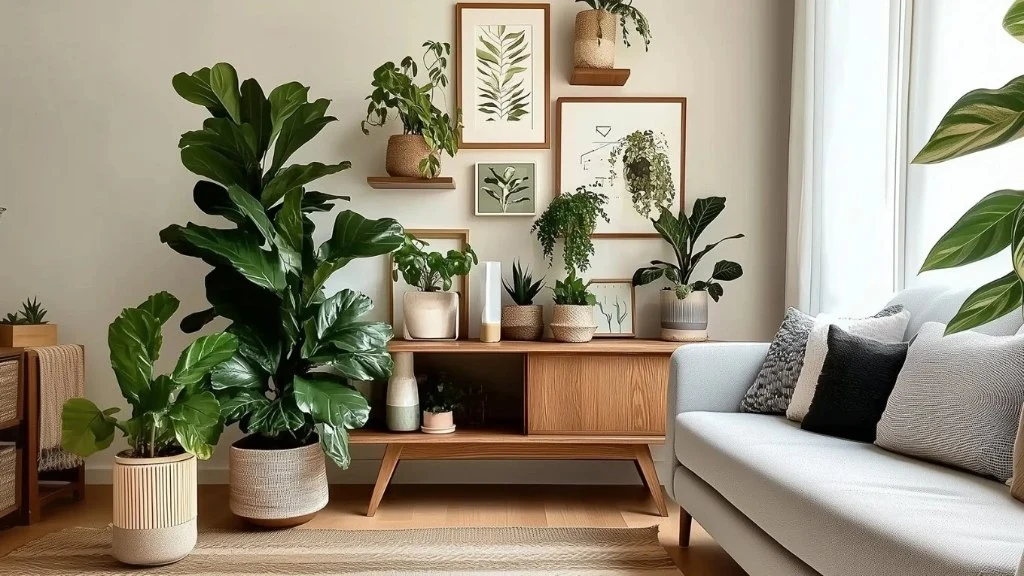
If you want a bedroom that feels serene and clutter-free, yet cozy, Japandi style is an ideal choice. This design trend blends Japanese minimalism with Scandinavian comfort, building a space made for rest, not just for display.
This guide breaks down the core ideas, key furniture picks, and simple expert tips to help you create a cozy, minimalist Japandi bedroom that fits your daily routine.
Exploring the Japandi Trend: Where Nordic "Hygge" Meets Eastern "Wabi-Sabi"
In recent years, the Japandi trend has swept across the global interior design landscape. It's far more than a simple mashup of aesthetics; it is a thoughtful fusion of Scandinavian practicality and Japanese serenity.
Getting Back to Basics: From Visual Cleanliness to Mental Grounding
At its core, Japandi reinterprets minimalism and wabi-sabi for the modern age. It champions simplicity and a timeless appeal, steering away from elaborate decor and instead shifting focus from "displaying" to "truly inhabiting" the space.
When curating a Japandi bedroom environment, restraint is key. A low-profile bed frame and a wooden stool help lower the visual center of gravity, making the room feel larger and more open. Meanwhile, built-in solutions and hidden drawers are the secret to maintaining a clutter-free sanctuary: hiding everyday clutter from sight and leaving only clean lines to soothe your mind.
Japanese vs. Japandi: Understanding the Difference Before You Buy
Traditional Japanese bedroom style follows strict traditional rules: low seating, tatami mats, shoji screens, and a very strict minimalist look. It leans fully into zen energy and plain, natural materials, embodying the spirit of wabi-sabi.

The Scandinavian-influenced version takes that Japanese foundation and adds softer texture, cozier fabrics—like linen or cotton and linen blends—and a more casual, lived-in feel.
In short: Japanese style is serene and strictly minimalist, while the Japandi style is serene, minimalist, and adds warmth for everyday use. If you want a calm space that still feels welcoming, the hybrid approach is often the better fit.
Styling Your Japandi Bedroom Furniture
Once you have your core selections, small styling choices will tie the whole look together smoothly.
Natural Floor Options That Complement Japandi Furniture
Light hardwood floors are the most popular choice for this aesthetic. They match wooden pieces and make the room feel bright and open. Bamboo floor options work too—they are sustainable and fit perfectly with Japanese style.
If you want something softer underfoot, add a low-pile jute or wool rug. Keep it in a neutral tone, such as beige, so it blends in, rather than standing out. Avoid thick, patterned carpets. They weigh down the light, airy feeling this look relies on.


Cozy Lighting Ideas
Using Room Dividers
Room dividers are both practical and stylish in a serene bedroom. If your bedroom also works as a home office or reading nook, a divider can separate your sleep space from your work space and the rest of the room. This helps your brain connect your bed only with rest.
Look for a wooden divider with slats, or a shoji-style screen with paper panels. They let light through so the room does not feel closed off, while still giving you privacy. Room dividers are especially useful for small bedrooms, where you need to make the most of every square foot.
The Neutral Palette for Furniture Styling
Sticking to a neutral palette is the easiest way to keep your retreat looking cohesive.
- Start with base colors: off-white, light oak, soft beige, and light gray. These make up most of your surfaces and walls.
- Add one or two deeper tones, like muted charcoal or warm brown, for small accents.
Avoid bright, bold colors—they break the calm, quiet mood. This simple palette reflects a minimalist lifestyle and emphasizes simplicity, letting the shape and texture of your items stand out, and it makes it easy to refresh your room later by swapping out small decor pieces.
Conclusion
A Japandi design bedroom is more than just a look; it is a space built to help you rest and recharge. You do not have to redo your entire room at once. Start with one key piece, like a low bed frame or a new table lamp, then build from there. Focus on natural materials, calm colors, and items that work for your daily life. Over time, you will create a timeless space that feels both peaceful and welcoming.
FAQ
Q1: How do I mix Japanese furniture with existing Western pieces without clashing?
Use Japanese principles as a bridge. Let a simple wooden bed frame anchor the room, then keep existing items that share natural materials and clean shapes. Remove anything overly glossy, ornate, or plastic-heavy. A vintage leather armchair can sit surprisingly well beside a tansu chest if the color palette is kept muted and earthy. The goal is a conversation between pieces, not a strict theme.
Q2: What color finishes work best for Japandi style bedroom furniture?
A: Stick to colors found in nature. For wood, light natural ash, warm medium oak, and dark smoked walnut all work. Painted pieces are rare, but if present, they’re usually in muted, earthy tones, like deep charcoal, soft cream, or indigo. Metal hardware is typically iron with a darkened or tsubaki (rusted) patina, not shiny chrome or brass.
Q3: Can I mix in existing items that aren’t strictly neutral or natural?
Yes, if done thoughtfully. A single piece with a muted, natural-dyed color can add depth without disrupting the overall serenity, such as a deep indigo cushion or an olive-green ceramic vase. The trick is to treat these as focal accents and keep the larger surfaces and foundational pieces strictly neutral. Avoid anything glossy, synthetic, or overly bright, as this will break the organic, tactile harmony.
Q4: How do I make my bedroom feel more airy in Japandi style?




_1783913778320.png)