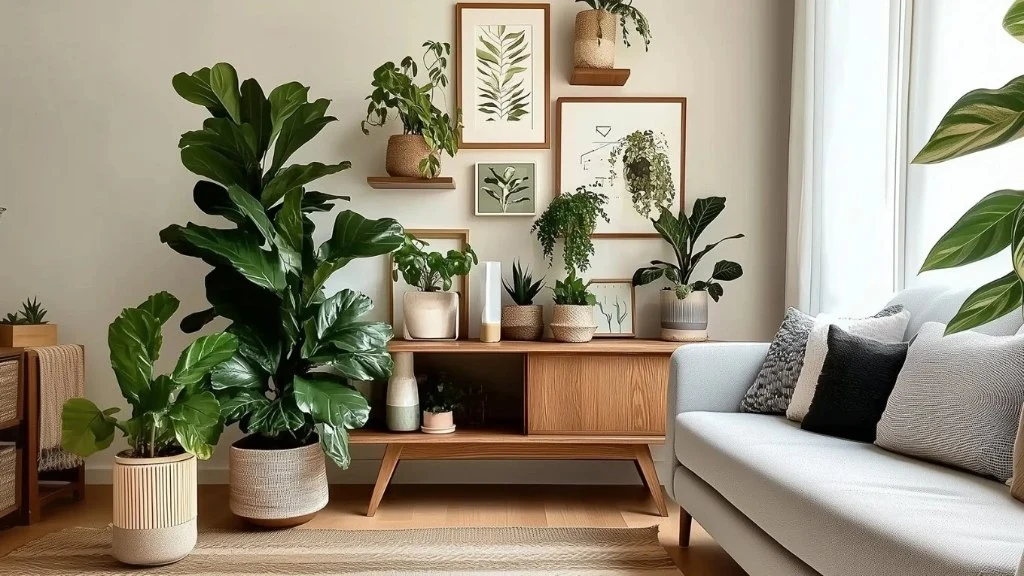
Shoji screens offer a beautiful way to define rooms, soften daylight, and create a sense of peace. Whether you live in a spacious house or a cozy apartment, these dividers can change how your home feels.
In this guide, we share what makes a shoji screen unique, its cultural background, and simple ways to use our screens in your own living space.
Ⅰ. What is a Shoji Screen?
A shoji screen is a lightweight room divider or door. It is built with a wooden lattice frame and covered with translucent washi paper. Unlike a solid wall, a shoji screen does not block all light. Instead, it diffuses sunlight into a warm, gentle glow. This quality makes any room feel airy, open, and connected.
Understanding the Wooden Lattice Framework
The lattice, known as kumiko, is a grid of slender wooden strips held together by precise joinery. Traditional artisans assemble the frame without nails.
The most common design is a simple square grid, but more intricate patterns such as asanoha (hemp leaf) also appear. This framework gives the screen its strength while keeping it light enough to slide with ease.
The History of Japanese Shoji Screens
Shoji screens first emerged in ancient Japan, with influences from Chinese folding screens. By the Heian period (794 to 1185), they had become a distinct element in aristocratic villas, used to partition large rooms and control daylight. Over the centuries, they spread to common homes, tea rooms, and temples. The washi paper allowed privacy without isolating people from one another, supporting a lifestyle that valued harmony with nature. Today, shoji screens carry forward that same heritage while blending into modern interiors.
Ⅱ. The Timeless Value of Shoji Screens
A shoji screen is more than a functional object. It reflects core principles of simplicity, mindfulness, and respect for impermanence. When you bring a shoji screen into your daily life, you welcome a piece of living tradition.
The Philosophy of Simplicity and Impermanence
Shoji screens embody a quiet way of seeing the world. The materials are deliberately simple: wood and paper. Over time, the washi slowly changes color, picking up a warm, golden patina. The wooden frame may develop small, hairline marks. These signs of age are not seen as flaws. They express the Japanese concept of wabi-sabi, which finds beauty in natural imperfection and the gentle passage of time. A shoji screen does not try to look brand new forever. It grows richer with age, and this acceptance of change can soften how we view our own homes. Living with a shoji screen becomes a small, daily reminder to find grace in what is modest and evolving.
Shoji in Ritual, Ceremony, and Everyday Life
- In the Japanese tea ceremony: a small shoji door called nijiriguchi requires guests to bow as they enter, a gesture of humility and equality.
- Inside temples: large shoji panels filter the morning light and create a serene setting for meditation.
- At home: families may change the washi paper with the seasons to mark the passing of time.
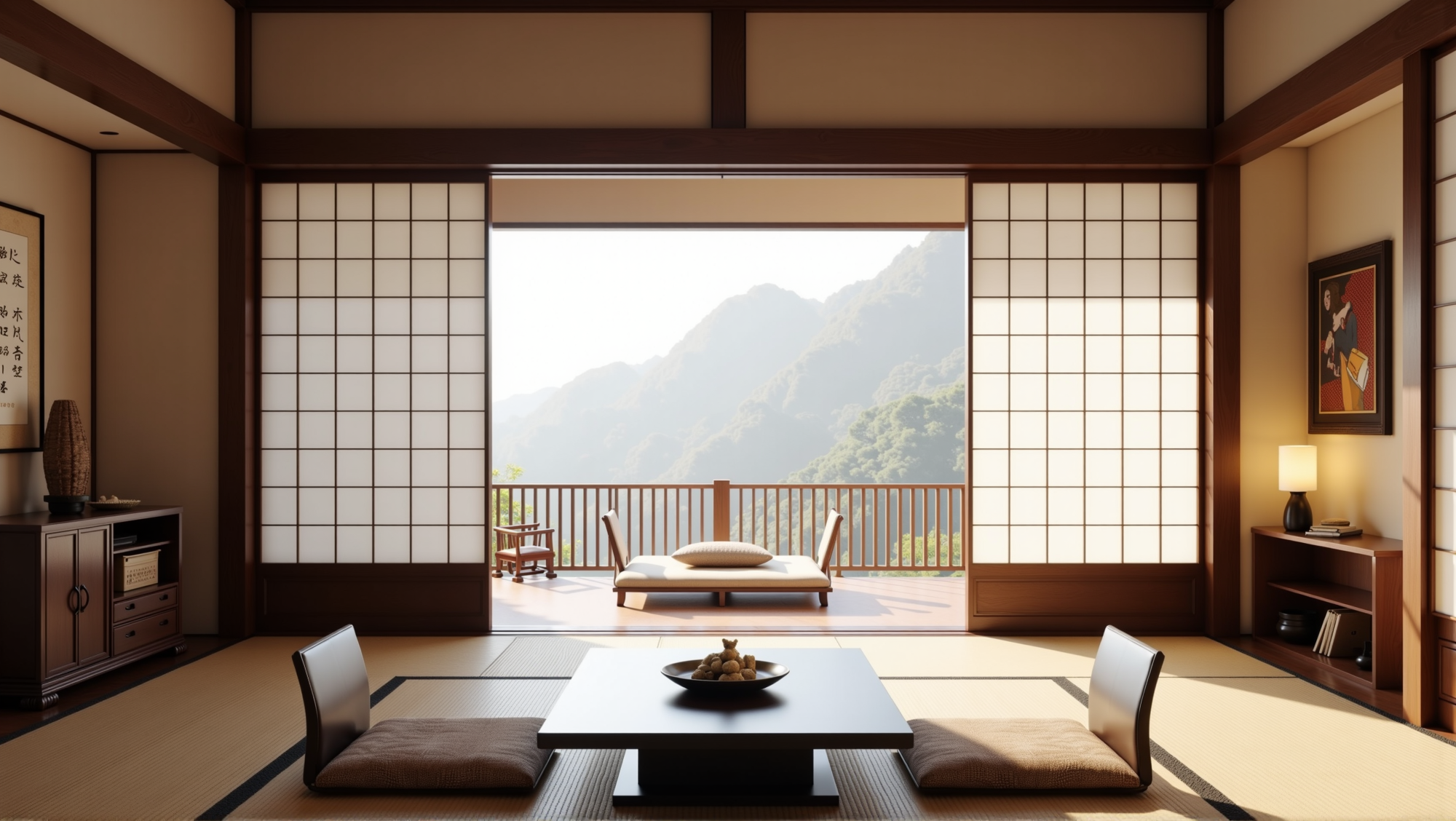
These practices show a deep awareness of light, shadow, and slow, daily rhythms. By placing a shoji screen in your own space, you build a gentle backdrop for your personal routines, from quiet morning tea to evening reading.
Ⅲ. Interior Design Using Japanese Room Dividers
Here are practical ways to make them part of your home.
Assessing Your Space for a Shoji Screen
Begin by deciding where you need a visual partition or a softer quality of light. Measure the ceiling height and the floor width carefully. In a small room, a two-panel folding screen can define a cozy corner without making the space feel tight. For open areas, a floor-to-ceiling track system is a smart choice because it can be slid away when you want an open layout.
Consider how people move through the space. A sliding screen often works better than a hinged one in a narrow hallway.
Creative Room-Dividing Strategies
A shoji screen can carve out a flexible home office that you can close off at the end of your workday. In a studio apartment, set a low screen at the foot of your bed to separate your sleeping area visually. You can also create a quiet reading nook by placing a screen near a window and tucking a comfortable chair behind it.
Another idea is to use a half-height shoji panel as a headboard that softly diffuses light from a bedside lamp.
Light Management and Ambience Control
Shoji screens are excellent at taming harsh sunlight. Position a screen opposite a south-facing window, and it will fill the room with even, restful illumination. In the evening, place a warm-toned lamp behind the screen. The paper will scatter the light and cast gentle lattice shadows on your walls. You can layer a shoji screen with sheer curtains for adjustable privacy. Washi paper also breathes naturally, which helps regulate humidity in a room.
Conclusion
Adding a shoji screen to your home is an invitation to slow down and notice the light around you. These graceful dividers serve both practical needs and a quieter, more poetic purpose. They help define spaces, create a sense of refuge, and nurture a tranquil atmosphere.
FAQ
1. Can shoji screens provide full privacy?
Shoji screens diffuse light and soften what you see through them. You will notice gentle shapes and movement rather than clear details, which creates a pleasant sense of separation. For a higher level of privacy, try layering the screen with a light curtain behind it, or place a tall houseplant nearby. These simple additions enhance the secluded feel while keeping the airy look.
2. How do I clean and maintain the washi paper?
Dust your screen regularly with a soft, dry cloth or a feather duster. For small smudges, lightly dab the area with a barely damp cloth and let the paper air dry naturally. Avoid rubbing or using any cleaning products. With this gentle routine, the washi paper will stay fresh and elegant for a long time.
3. Are shoji screens suitable for homes with pets or children?
Yes, with a few thoughtful design choices. Look for screens that have a tighter lattice or a protective backing panel on the lower half. You can also place the screen in an area where it is partly shielded by a side table or a low bookshelf. Securing a freestanding screen to the wall with a simple bracket adds extra stability and peace of mind.
4. What is the best way to use a shoji screen in a small room?
Choose a folding screen with two or three panels that can stand independently. Position it at an angle in a corner to carve out a cozy reading spot, or use it to hide a cluttered desk when guests visit. The translucent paper keeps the room feeling open. Lightweight screens are easy to move, so you can reshape your space whenever you like.




_1783913778320.png)