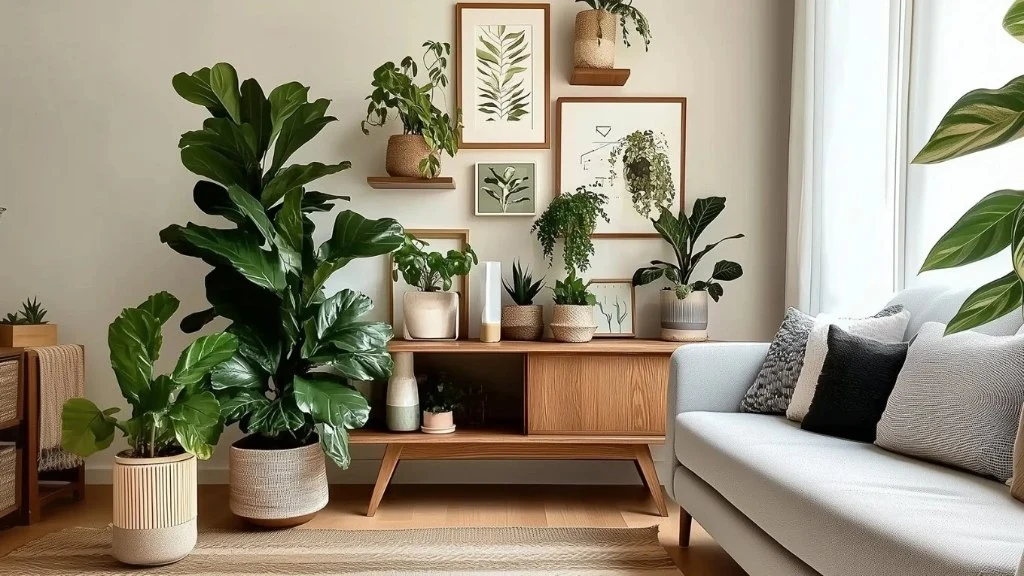
Looking for a living room that feels calm, cozy, and effortlessly curated? Discover Japandi: the elegant blend of Japanese wabi-sabi and Scandinavian hygge. Learn how to use muted earth tones, low wooden furniture, layered textiles, paper lighting, and intentional empty space to create a peaceful, tactile home, and gain easy, seasonal tips to keep it fresh all year. Whether you are starting a full renovation or simply craving a more serene corner to unwind in, these Japandi living room ideas will guide you toward a space that breathes.
Ⅰ.What Is Japandi Style? Discovering the Japandi Interior
Japandi living room design is a serene marriage of Japanese wabi-sabi and Scandinavian hygge: restrained, functional, and exquisitely calm. At its heart, this aesthetic draws from two cultures that, though geographically distant, share a profound respect for craftsmanship, natural materials, and the beauty of simplicity.
If you’re searching for a space that feels warm, spare, and quietly luxurious, Japandi offers a roadmap that prioritizes natural materials, thoughtful craft, and a pared-back aesthetic that still feels deeply lived-in. Unlike stark minimalism, which can sometimes feel cold or impersonal, Japandi intentionally layers texture, tone, and organic shapes to create rooms that embrace you rather than impress you.
Ⅱ.Core Elements of a Japandi Living Room
1. Neutral Tones & Muted Earth Palette
The Japandi palette relies on quiet, grounding colors like soft beiges, warm taupes, and muted sage that create a calm, cohesive backdrop without competing for attention. Use these hues on walls and large upholstered pieces to anchor the room in natural serenity.
2. Warm Wood Tones & Natural Materials
Incorporate low-profile furniture in oak, walnut, or bamboo with visible grain and matte finishes; warm, honest wood tones frame the space and provide essential visual stability.
3. Minimalist Forms: Sofa & Coffee Table
Choose furniture with clean lines and low silhouettes, letting proportion and purpose serve as the only ornament. Multi-use pieces, like nesting tables and storage benches, maintain calm while quietly supporting everyday life.
4. Handmade Texture & Decor
Celebrate the wabi-sabi appreciation for the imperfect by introducing slightly uneven ceramic glazes, hand-woven baskets, and visible joinery, details that add soul and human warmth to the room.
5. Soft Fabric Layers & Tactile Texture
Balance harder surfaces with tonal layers of linen, wool, and boucle, prioritizing subtle texture over bold pattern; the result is a tactile, inviting landscape that deepens the sense of comfort.
6. Paper & Rice Lighting
Use rice-paper pendants and diffused lamps to cast a warm, shadowless glow throughout the room. Layer light sources at different heights to create gentle, intimate zones for reading and resting.
7. Negative Space & Breathing Room
Treat empty corners and unadorned surfaces as intentional design elements that give the eye a place to rest, allowing each carefully chosen piece to breathe and have impact.
8. Natural Fiber Rugs & Layered Texture
Anchor seating arrangements with jute, sisal, or wool rugs that add earthy texture and age gracefully; a tonal, layered approach brings warmth underfoot without visual busyness.
9. Ceramic & Stone Decor Accents
Display unglazed pottery, stone bowls, and matte vases in small, asymmetrical clusters to ground the room with a sense of weight, permanence, and tactile authenticity.
10. Monochromatic Color Palette
Build a cohesive, calming look by layering lighter and darker variants of a single neutral, then add one deep accent, such as a rust vase or olive throw, for just enough contrast.
11. Low Seating & Accent Chairs
Low sofas, floor cushions, and folding benches encourage a relaxed, human-scale gathering style while making ceilings feel taller and the room more open. An accent chair in a natural fabric can extend the seating without visual weight.
12.Scent of Nature & Natural Materials
Introduce a subtle natural fragrance like cedar, green tea, or citrus wood through a reed diffuser or dried bundles, quietly linking the indoor space to the outdoors without overpowering it.
Ⅲ.Tips for Transforming Your Space into Minimalist Japandi Style
1. Rotate Soft Furnishings for a Seasonal Color Palette
Swap cushion covers and throws to match seasonal palettes: terracotta and deep rust in autumn, soft sage and pale linen in spring. These small updates bring a fresh layer to your minimalist space without demanding a full redesign, and they align beautifully with the gentle rhythm of intentional living. Store off-season textiles in natural fiber bags or baskets to keep the rotation effortless and clutter-free. Even changing a single cushion on an accent chair can shift the mood and help your home feel connected to the world outside.
2. Curate a Sensory Experience with Soft Lighting and Sheer Curtains
Deepen the japandi comfort of your living room with soft, layered lighting and airy sheer curtains that diffuse daylight into a gentle glow. Place a ceramic water bowl nearby for subtle ripples of sound, or hang a soft wind chime near an open window to invite natural notes indoors. Faint aromas like cypress, green tea, or palo santo complete the immersive, restorative environment. Together, these elements turn your living room into a true sanctuary that feels separate from the noise of everyday life.
3. Display Branches, Dried Grasses and Asymmetrical Ikebana Arrangements
Celebrate japanese design through the quiet art of ikebana. A single curving branch in a low vase, a cluster of dried seed heads, or three stems arranged with deliberate asymmetry introduce organic form without visual weight. Unlike overflowing bouquets, these sculptural arrangements breathe with the seasons and lend a meditative focal point to your minimalist living room. Place them on a wooden coffee table or a low console to keep sightlines open and the aesthetic grounded.
4. Layer Rugs and Blankets for a Japandi Inspired Living Room
Start with a flat-woven jute runner under the main seating area and add a soft wool rug to define the zone with warmth and deep texture. Drape a chunky throw over the sofa and a lighter linen blanket over a nearby accent chair, building layers you can adjust as the seasons change. This approach creates the inviting, relaxed look that defines a japandi inspired living room while keeping the palette calm and cohesive. The goal is a space that always feels ready to welcome you home.
Conclusion
Japandi living rooms are invitations to slow down. By combining Scandinavian warmth and Japanese restraint, the style produces spaces that are both functional and deeply restorative. Key ingredients like muted earth tones, warm woods, handmade ceramics, soft layered textiles, and strategic negative space work together to create a living room that is calm, tactile, and enduring. Start small: swap one rug, add a low wooden coffee table, or introduce a rice-paper lamp. Over time, practice the monthly edit and seasonal rotations to cultivate a home that feels purposeful and peaceful.
Ready to Begin Your Japandi Journey?
After exploring these Japandi living room ideas, the true calm of a serene space is waiting for you to create it. Visit our Design Ideas Gallery now to browse real-life Japandi living rooms and layout plans uploaded by different designers—from material pairings to the art of negative space, you’re sure to find inspiration that sparks your own vision.
If you’ve already designed your own space, share your design with the community and celebrate balanced aesthetics together. Also you can save a few of your favorite cases, pick out the colors, furniture, or lighting details, and start building your own breathing, Japandi-inspired living room.



_1783913778320.png)