Cabinets make or break a kitchen. They're usually the first thing people notice when they walk in, and honestly, the biggest choose-or-regret decision you'll make during any kitchen remodel. There are dozens of types of kitchen cabinets out there, and it's easy to get overwhelmed. Here's how to actually narrow things down without losing your mind (or your budget).
1. Start With Your Budget
Before you fall in love with anything, figure out what you can actually spend. This isn't the fun part, but it saves you heartbreak later.
Kitchen cabinet costs swing wildly depending on size and quality. According to HomeAdvisor, cabinets for a standard 12x12 kitchen typically run anywhere from $2,500 to $29,000, and that gap comes down to whether you go with stock, semi-custom cabinets, or fully custom ones.
If you're wondering why cabinets eat up so much of a remodel budget, there's a reason: the National Kitchen & Bath Association (NKBA) says cabinetry and hardware alone usually account for around 29 percent of a total kitchen remodel. That's more than appliances, countertops, or labor on their own. Interior add-ons like pull-out trays and soft-close drawers push the price up too, so it's worth deciding early which ones you actually need.
How Pricing Affects Your Timeline
Custom cabinets look great, but they take longer. If you're on a deadline, stock or semi-custom is usually the faster (and cheaper) route to the lowest price. Ask your designer for a realistic timeline upfront so you're not left waiting on an install date that keeps slipping. Fully custom builds give you more freedom with size and finish, but you're paying for that flexibility.
2. Pick a Door Style You'll Still Like in 10 Years
Kitchen cabinet doors are the first thing people notice, so this choice matters more than most people expect. There's no wrong answer here, it really comes down to what fits your home and your taste.
One thing worth knowing: you're not alone if you gravitate toward simple, clean lines. Houzz's most recent Kitchen Trends Study found that shaker-style doors are the most popular cabinet door style by far, showing up in about 61 percent of remodeled kitchens. There's a reason for that. Shaker doors work with almost any kitchen design, from farmhouse to modern, so they age well even if your taste shifts over time or your Pinterest board changes every year.
Traditional vs. Modern Door Styles
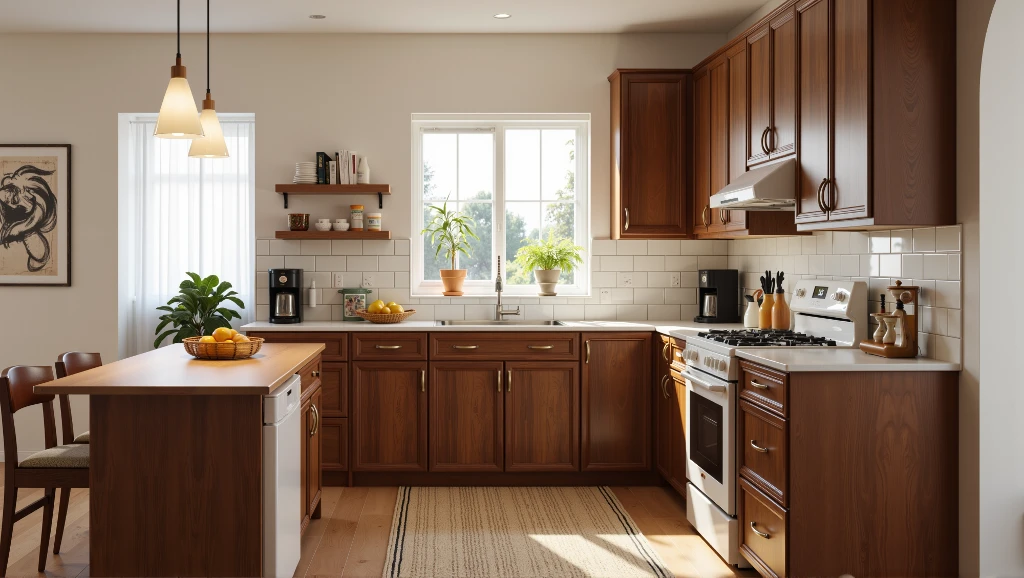
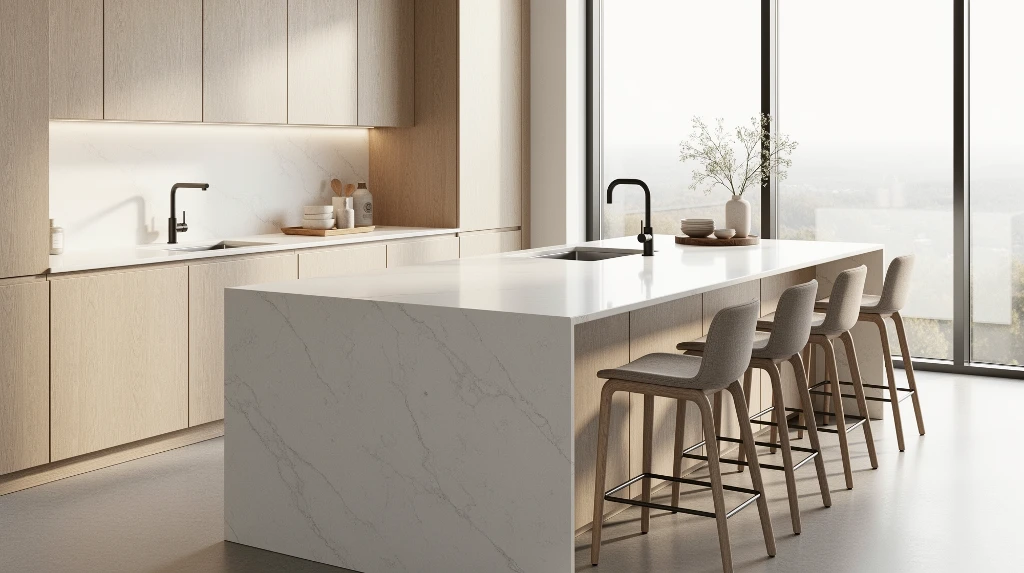
If your home leans traditional, raised-panel or beadboard doors add a bit more detail and warmth. If you're going modern, flat slab doors keep things clean and simple. Can't decide? A lot of homeowners split the difference with a transitional look that blends both, and it tends to be the best for your kitchen if you're not 100% sure what you want yet.
3. Cabinet Construction and Materials, Explained Simply
You don't need a degree in carpentry to understand cabinet construction. Here's the short version, broken down by door style so you can compare at a glance.
Common Cabinet Door Styles
| Door Style | What It Looks Like | Good For |
|---|---|---|
| Shaker | Simple frame with a flat center panel | Almost any kitchen, very versatile |
| Craftsman | Grooved edges, a bit more texture | Homes with a craftsman or cottage feel |
| Flat-Front (Slab) | One flat piece, no frame | Minimalist, modern kitchens |
| Beadboard | Grooved vertical lines | Farmhouse or cottage kitchens |
| Handle-Free | Opens with a push or built-in groove | Sleek kitchens with no visible hardware |
| Raised-Panel | Center panel sits up, more traditional | Classic, formal kitchens |
| Panel (Flat) | No trim or detail at all | Homeowners who want zero fuss |
What About Materials?
You'll also choose between solid wood, laminate, or thermofoil (a plastic coating over a wood base). Solid wood looks the best and can be refinished down the road, but it costs more, and the thickness of the panel affects both durability and price. Laminate is the budget-friendly option and honestly holds up fine for most households. Whatever you pick, try to keep the finish consistent across your base cabinets and upper cabinets so the kitchen feels put together instead of mismatched. A good selection process usually starts with a few samples, not a showroom full of options.
4. Don't Skip the Hardware
Hardware is easy to overlook, but handles and knobs do a lot of visual work. They're small, but they tie the whole look together. When shopping, pay attention to both the finish (brass, matte black, brushed nickel) and how it fits the rest of your kitchen design. If you want something a little bold, black hardware is having a moment right now.
If you went with inset or handle-free doors, look into specialty hardware like built-in pull channels or soft-close hinges on every drawer. They keep the clean look while still making everything easy to open.
5. Keeping Your Cabinets Looking Good
How you clean your cabinets really depends on the finish. Here's a quick cheat sheet:
| Finish Type | How to Clean It | Watch Out For |
|---|---|---|
| Textured or double-layer panels | Wipe with a soft cloth | Don't scrub too hard |
| Solid wood | Furniture wax once in a while | Keeps the wood color from fading |
| Glossy or crystal-look panels | Flannel cloth or dry wipe | Skip anything abrasive |
| Painted or lacquered panels | Mild cleaner + soft cloth | Sharp objects will scratch it |
Beyond that, just be gentle with your doors and drawers day to day, and oil the hinges once in a while. It sounds minor, but it really does extend the life of your cabinetry.
6. Installing Your Cabinets: DIY or Call a Pro?
Some cabinets you can install yourself, especially stock units with a simple floor plan. But if you're going custom, or changing your kitchen's layout, it's worth hiring a professional. A good installer treats every client's kitchen a little differently depending on plumbing, wiring, and whether your upper cabinets need to reach all the way to the ceiling.
If you're also updating your countertops, adding a backsplash, or moving your sink, talk to your manufacturer or installer about the order everything should happen in. Getting that sequence wrong is one of the most common (and expensive) remodel mistakes.
7. Make Sure Your Layout Actually Works for You
Looks matter, but if your kitchen doesn't function well day to day, no amount of style will fix that. Think about your layout and storage options before you finalize anything. Little things like a pull-out rack, a dedicated spice drawer, or deep drawer bases instead of shelves can make a huge difference in how your kitchen actually feels to use. When you're going over your floor plan with a designer, think about how you really cook day to day, not just how it looks in photos. These small choices are what actually make your kitchen work, not just look good.
Conclusion
Choosing the right kitchen cabinets comes down to a few things: your budget, the style you actually like, and how well the layout supports the way you live. Take your time comparing materials and door styles, weigh the pros and cons, and don't be afraid to ask an expert or designer for a second opinion before you sign off on anything.
FAQ
1. How much do kitchen cabinets actually cost?
It really depends on the size of your kitchen and whether you go stock, semi-custom, or custom. For a standard 12x12 kitchen, you're generally looking at $2,500 to $29,000. Cabinetry and hardware alone usually eat up around 29 percent of a full kitchen remodel budget, so it's smart to nail down this number before you fall in love with a style.
2. What's the most popular cabinet door style right now?
Shaker, by a wide margin. It shows up in about 61 percent of remodeled kitchens because it works with almost any kitchen design, from farmhouse to modern, so it doesn't feel dated a few years down the road.
3. What should I prioritize if I have a small kitchen or a tight budget?
Focus on layout and storage before finish and style. Deep drawers, pull-out racks, and smart interior organization make a bigger difference in daily use than a fancy door style. Stock cabinets in a versatile style like shaker also give you the most flexibility for the lowest price.
4. Do I need to match my cabinet hardware to my cabinet style?
Not exactly match, but it should feel consistent with your overall kitchen design. If you went with handle-free or inset doors, specialty hardware like soft-close hinges keeps that clean look intact while still being functional.