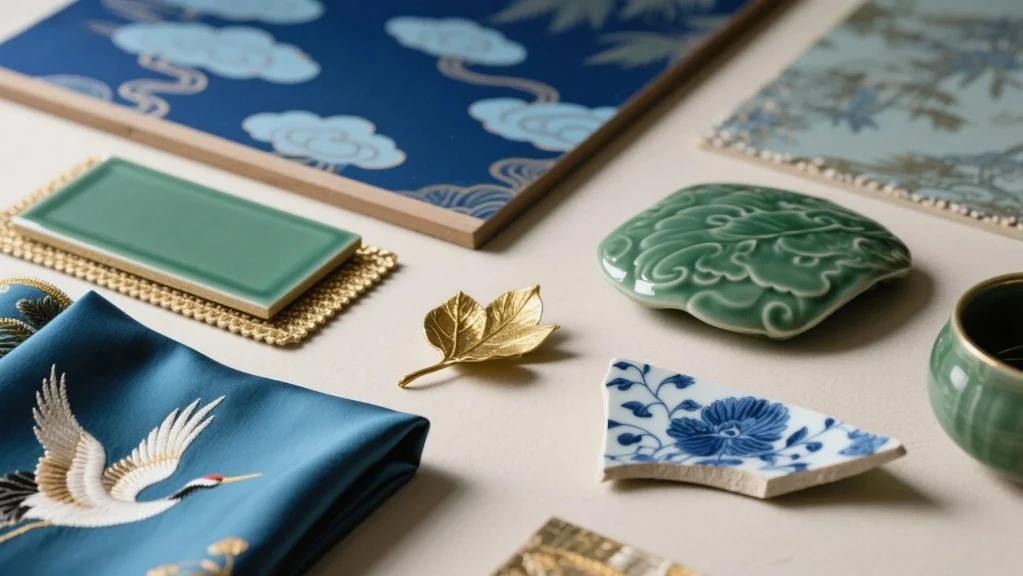
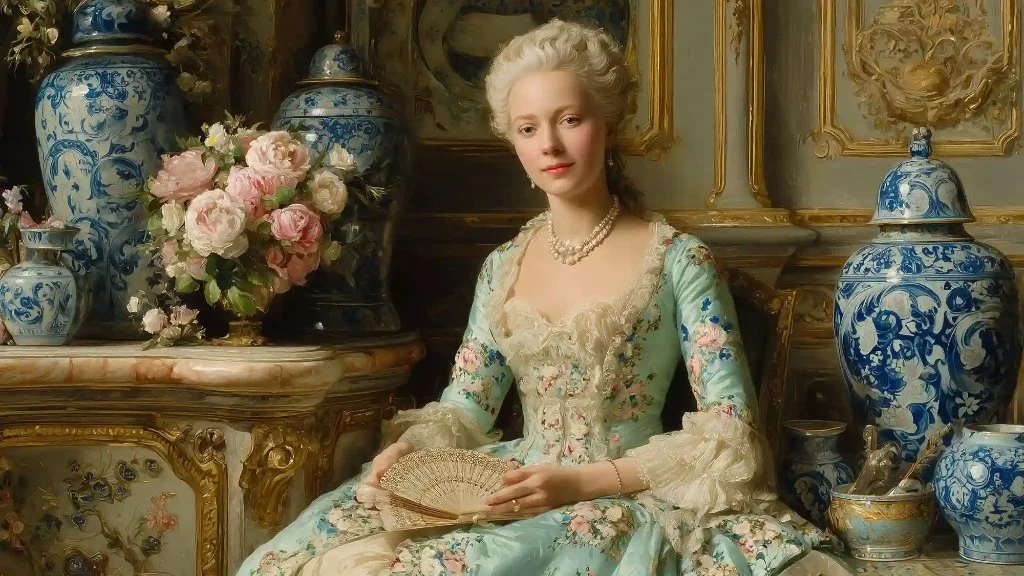
If you've ever fallen for a wall covered in painted branches and birds, or a hand-painted vase glowing on a console table, you already know why chinoiserie design has stayed popular for more than three centuries. It feels romantic, a little whimsical, and surprisingly easy to live with, even if you're brand new to decorating. In this guide, we'll walk through how to bring this look into your own home, from statement walls to small decor pieces, without making the space feel like a museum.
What Makes Chinoiserie Design Work in Modern Interiors
The Core Principles of Chinoiserie Style
First, a quick bit of context that makes everything easier to style. The Victoria and Albert Museum describes chinoiserie as a fanciful, imagined Chinese style that was created by Europeans, rather than a literal copy of Chinese interiors. That's good news for you: there's no strict rulebook to follow, even though the look borrows loosely from Chinese art and the playful curves of Rococo style. It's really about a mood, and these three ideas are the signature elements of chinoiserie style:
- Nature is the star. Think flowering branches, exotic birds, bamboo and garden scenes.
- The palette stays focused. A few repeated colors make even a busy pattern feel calm.
- Handcrafted details matter. Painted surfaces, glossy glazes and fine craftsmanship give the look its warmth.
A Short History of Chinoiserie
The origins of chinoiserie go back to the 17th century, when the East India Companies brought porcelain, silk and lacquer to Europe. These luxury goods sparked a huge fascination, and European artists soon began creating their own playful interpretation of Asian art and design. A few highlights:
- Delftware and Meissen porcelain were Europe's homegrown answers to imported Chinese porcelain.
- The Trianon de Porcelaine at the Palace of Versailles was an early royal example.
- The Great Pagoda at Kew Gardens, designed by William Chambers, followed in the 18th century.
Who This Look Suits (and Who It Doesn't)
If you enjoy pattern, color and a home with some personality, you'll likely love this style. It pairs well with traditional, eclectic and even relaxed, laid-back spaces. If you prefer very stark, minimal spaces, you don't have to skip it entirely. A single patterned wall or one beautiful vase can add the same charm in a much smaller dose.
Chinoiserie Wallpaper Ideas
Wallpaper is where most people first meet this style, and it has a long history in the home. According to the V&A, Chinese wallpaper began reaching Europe around the 1690s, and its scenes were painted specifically to suit European tastes. The Metropolitan Museum of Art adds that these painted wall decorations were entirely new products made for export, and nothing like them was used inside Chinese homes at the time. In other words, the "Chinese room" was always a bit of a creative collaboration, which is exactly why you can make it your own.
A Statement Wall in the Dining Room
A hand-painted look works beautifully in dining rooms, because you tend to spend long, relaxed evenings there. Put the pattern on one wall, or wrap the whole room if you're feeling bold, and keep the rest simple. A plain wooden table and neutral chairs let the painted pattern do the talking. A mirror or a pair of wall sconces will help catch the light and make the painted details glow in the evening.
Chinoiserie Patterns for Bedrooms and Powder Rooms
Small rooms are the perfect place to take a risk. A powder room with a flowing garden scene, or a bedroom with a soft pattern behind the bed, feels like a little retreat. In a bedroom, choose a quieter palette such as pale blue, soft green or warm cream so the room still feels restful. In a powder room, you can go darker and more dramatic, because nobody stays long enough to get tired of it.
Panoramic Scenes vs. Repeating Motif Patterns
There are two main types to choose from, and the right one depends on your wall:
- Panoramic scenes tell a story across a large wall, with trees, birds, bridges and a pagoda or garden pavilion in the distance. They work best on wide, uninterrupted walls. Look for curved rooflines that echo traditional temple architecture.
- Repeating pattern papers use a single motif, such as a blossom or a bird on a branch, repeated across the wall. They're more forgiving in rooms with windows, doors and corners.
If you rent, or you're not ready to commit, try a framed painted panel or peel-and-stick sheets on one wall. You'll get the look without the long-term commitment.
Color Palettes for Chinoiserie Design
Classic Blue-and-White
This is the timeless choice, and it's the easiest one to get right. Crisp white with several shades of blue feels clean, fresh and calm. It works in almost any room and mixes easily with natural wood and woven textures. It's also a very old combination, which is why it still feels so familiar.
Bold Options: Red, Green and Gold
If you want more drama, look to rich reds, deep greens and touches of gold. Imagine a dark green wall with gold-toned accents and a lacquered cabinet. A deep, warm red, the kind you might picture in a grand palace, looks wonderful on a single accent wall or in a glossy lacquerware tray. Just choose one main color and let the others play a supporting role, so the room feels layered rather than loud. If that feels like too much, the softer palettes below are a gentler way in.
Soft and Romantic: Blush, Sage and Cream
If you want something gentler, try pale blush walls with sage green accents and creamy bedding. It's a lovely mix for bedrooms or a quiet reading corner, especially with delicate floral motifs and soft, hand-painted birds. A cream-colored lamp or a blush-toned vase adds a little polish without turning up the volume. The artistry of a hand-painted pattern shows beautifully here, even in soft colors.
Fresh and Airy: Aqua, Celadon and White
Celadon is the soft, pale gray-green you often see on glazed ceramics, and it pairs beautifully with aqua and crisp white. This palette is great for sunrooms, kitchens and small spaces that need to feel bright. Add natural bamboo or woven textures to keep it relaxed.
Moody and Dramatic: Navy, Black and Gold
For a rich, evening-ready look, think deep navy or inky black with gold-toned details. A black lacquer cabinet, a navy accent wall with metallic birds, and brass or gold frames make a striking combination in formal dining spaces and powder rooms. Keep the other colors quiet so the gold has room to sparkle.
Modern Neutrals: Warm Gray, Cream and One Accent
If you love the idea but not the pattern, start with a calm base of warm gray, cream and natural wood, then add a single accent color such as ink blue or soft black. This approach works especially well in minimalist homes, where one or two statement pieces can feel like a quiet surprise instead of a full theme.
Warm and Sunny: Apricot, Terracotta and Cream
Soft apricot, warm terracotta and cream feel welcoming and sunlit, a bit like late afternoon in a garden. Try peach blossom branches on a cream background, then add a terracotta vase or a woven basket for earthy balance. It's a friendly choice for dining nooks and entryways, where you want guests to feel at home right away.
A simple rule works for all of these: choose one main color, one supporting color and one metallic or neutral accent, then repeat them around the room.
Room-by-Room Chinoiserie Ideas
Living Room
Start with a focal point, such as a pair of porcelain lamps on a console or a framed panel above the sofa. Add a few pillows in a complementary pattern and let the rest of the room stay calm and neutral. If your home leans clean and simple, a Japandi living room, with its light wood and soft linen, is a lovely partner for a few chinoiserie elements, such as a bamboo side table or a hand-painted tray.
Dining Room
This is where the style truly shines. Pair a scenic wall, perhaps one showing tea pavilions and blossoming trees, with a simple table, then add a low bouquet or a pair of candlesticks as a centerpiece. For a lighter approach, skip the scenic wall and hang blue-and-white plates instead. Then set the table with simple white tableware and soft table linens so the pattern on the walls stays the star.


Bedroom and Entryway
In the bedroom, a soft patterned headboard wall, matching lamps and linen bedding create a peaceful, hotel-like feel. A few small accents on the dresser, such as a vase or a painted tray, tie the look together. In the entryway, a single lacquered console with a statement vase gives guests a lovely first impression. Hang a framed print inspired by East Asian art above it for an extra layer of interest.
Conclusion
The beauty of this style is that it's personal. Whether you choose a dramatic wall or a single favorite vase, the goal is a home that feels warm, layered and a little bit magical. Start small, trust your eye, and let the pieces you love guide you.
FAQ
What is chinoiserie in home decor?
It's a decorative style inspired by Chinese art, often featuring birds, flowers, landscapes, soft blues and whites, and lacquer. As mentioned above, it's a European interpretation rather than a strict replica of Chinese interiors.
Can chinoiserie work in a small home or apartment?
Absolutely. Try a powder room with one patterned wall, a pair of lamps, or a single large vase. A small, well-chosen touch often works better than covering everything.
Is chinoiserie still in style?
Chinoiserie remains a favorite, and it keeps returning to the conversation around design trends because it's flexible, and each generation of designers brings a renewal of interest. It can feel traditional, fresh or right at home in contemporary interiors, depending on how you style it.
What colors go best with chinoiserie?
Blue and white is the classic choice. Green, red, gold, blush and cream are lovely alternatives, as long as you stay with one main color.