Ⅰ.Go Vertical: Best Vertical Garden Systems for Small Spaces
Adding more greenery to your small backyard doesn't have to mean sacrificing precious floor space. Vertical gardening is the ultimate solution for maximizing your growing area while keeping your yard open and airy.
1. Wall-mounted planters, hanging baskets, and trellises for maximum greenery
Wall-mounted planters, window boxes, and decorative pots are perfect for herbs, small flowers, and ornamental grasses, adding pops of color and greenery without taking up any ground space. For larger plants, consider raised bed vertical gardens or hanging baskets that can be suspended from ceilings or fences. These are especially great for trailing plants like pothos or trailing petunias that spill over the edges, creating a lush, cascading effect. You can also mix and match different sizes of decorative pots to add texture and visual interest to your walls.
2. Climbing plants that add privacy without taking up floor space
Climbing vines like clematis, jasmine, and ivy can transform a plain fence or wall into a lush privacy screen. You can also add a few small shrubs for structure and year-round interest, creating a thriving backyard garden in even the smallest footprint. Not only do these plants add beauty, but they also help block noise and create a more private, peaceful atmosphere. For a fragrant touch, plant climbing jasmine near your seating area – its sweet scent will fill your evenings with a delightful aroma.
3. Vertical vegetable gardening: Grow tomatoes, cucumbers, and beans upwards
Vertical vegetable gardening is another game-changer for small backyards. Grow tomatoes, cucumbers, and beans upwards using trellises or stakes, and enjoy fresh produce without sacrificing valuable square footage. Tomatoes and cucumbers are especially well-suited for vertical gardening, as they naturally climb and produce heavy yields in small spaces. Container gardening works perfectly here too, allowing you to move plants around as needed to follow the sun or rearrange your space. You can also grow herbs in small hanging planters near your kitchen door for easy access while cooking.
Ⅱ.Make Your Small Backyard Feel Bigger: Design Tricks
One of the biggest challenges with small backyards is making them feel larger than they actually are. With a few simple design tricks, you can make your backyard feel open, airy, and much more spacious than its actual square footage.
4. Use mirrors and reflective surfaces to create the illusion of depth
Mirrors and reflective surfaces are a designer's secret weapon for creating depth in small spaces. Hang a large mirror on a fence or wall, and it will reflect your garden and sky, making the space feel twice as big. You can also use reflective outdoor decor like metal sculptures or glass tabletops to enhance this effect. A small tabletop fountain adds a calming element of moving water while also reflecting light, helping to make the space feel more expansive.
5. Choose light colors for walls, furniture, and hardscaping
Choose light colors for your walls, furniture, and hardscaping. White, beige, light gray, and soft pastels reflect light and make spaces feel brighter and more open. Dark colors, on the other hand, absorb light and can make small spaces feel cramped and enclosed. For your outdoor patio, opt for light-colored pavers or concrete, and choose outdoor furniture in neutral or light tones. Gravel pathways in light gray or tan also help to brighten up the space and tie your overall design together for a cohesive look.
6. Use diagonal lines to draw the eye and make spaces feel longer
Use diagonal lines to draw the eye and make spaces feel longer. Instead of laying your patio tiles or pathway in straight lines parallel to your house, lay them diagonally. This draws the eye outward, creating the illusion of a larger space. You can also use diagonal lines in your furniture placement or garden design to enhance this effect. For example, place your bistro set at an angle to the house to create a more dynamic and spacious feel.
Ⅲ.Zoning Your Small Backyard: Separate Work, Play & Garden Zones

Planning your backyard with distinct zones is the key to maximizing functionality. Even the smallest backyard can serve multiple purposes when you use smart zoning techniques. By creating distinct zones for outdoor living space, dining, and gardening, you can make the most of every inch of your space. Don't forget to include hidden storage space in your zoning plan to keep clutter at bay.
7. Use physical dividers to define zones without blocking light
Use physical dividers like trellises, tall planters, or low fences to define zones without blocking natural light. Using layers of plants and different textures creates visual interest and depth, making the space feel more dynamic. A tall planter filled with bamboo or ornamental grasses can create a natural divider between your dining area and garden, while still allowing light and air to flow through. You can also use a low fence to separate your lawn area from your patio, creating a clear distinction between different functional zones.
8. Color-coding and strategic furniture placement to create distinct areas
Color-coding your zones with different cushions, rugs, or decor helps define areas at a glance, while strategic furniture placement ensures each zone feels separate but connected. For example, a small bistro set with a dining table and chairs can define your dining area, while a comfortable outdoor sofa or hanging chair creates a cozy lounge zone. Use outdoor rugs to anchor each zone and make them feel more distinct. A small outdoor kitchenette with a portable grill and countertop can create a dedicated cooking and entertaining zone in the most limited space.
9. Flexible zoning: Convertible spaces that adapt to your daily needs
Flexible zoning is key for small spaces – invest in multi-purpose, weather-resistant outdoor furniture that can be easily moved or rearranged. A foldable table can double as a workspace during the day and a dining table at night, while storage benches provide extra seating and a place to stow away garden tools or toys. This way, your small backyard becomes a versatile gathering spot for friends and family, no matter the occasion. You can also use wheeled planters to create temporary dividers that can be moved around as needed.
Ⅳ. Mini Zones: Seating Areas, Fire Pits & Water Features
You don’t need separate rooms to carve out distinct experiences. Even the tiniest yard can host several micro zones when you define each area with a rug, a shift in flooring, or a vertical screen.
10. Cozy reading nooks with hanging chairs or floor cushions
Create a relaxation pocket anchored by a stack of weather-resistant floor cushions or a hanging macramé chair. Define the nook with an outdoor rug and a low side table just big enough for your book and a mug. A tall, narrow potted plant or a slatted trellis screen to one side wraps the space in a gentle hug without closing it in. In my own tiny courtyard, a folding sling lounger against the wall became my favorite morning coffee escape. It claimed barely four square feet of floor space.

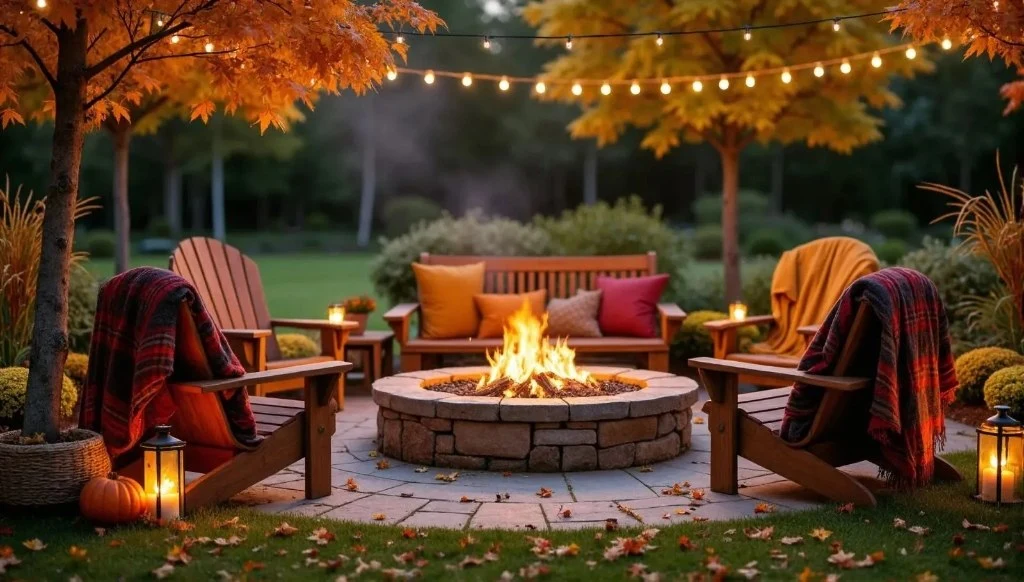
11. Mini tabletop fire pits and water features for ambiance
Bringing in warmth and the sound of water instantly turns your backyard into a destination. You can easily fit both of these into a tiny footprint.
-
For fire: A compact, smoke-free tabletop fire bowl fueled by isopropyl alcohol or bioethanol gives you all the flicker of a campfire without stealing any floor space. Place it on a small accent table and it becomes the focal point.
-
For water: A petite recirculating wall fountain or a simple glazed ceramic bowl with a tiny bubbler adds soothing sound and attracts birds. It tucks neatly onto a shelf or into a planting bed.
12. Compact bar area for entertaining small groups
A narrow wall-mounted drop-leaf shelf can serve as a bar when you fold it down and vanish when you don’t need it. Mount a couple of metal baskets or a hanging organizer right above it for glassware and bar tools. Slip a vertical planter pocket to the side and fill it with mint, rosemary, or edible flowers for garnishes. String warm LED fairy lights overhead, and you have a corner that transforms your tiny backyard into the neighborhood’s favorite cocktail spot, no permanent furniture cramping the footpath.
Ⅴ.Maintenance-Free Patio & Deck Ideas

Nobody wants to spend all their free time maintaining their backyard. These maintenance-free patio and deck ideas will help you create a beautiful space that requires minimal upkeep, leaving you more time to relax and enjoy your outdoor oasis.
13. Best low-maintenance patio materials: Composite decking, concrete, and natural stone
When choosing materials for your patio or deck, opt for low-maintenance options that don't require constant care. Composite decking is a great alternative to wood for your deck, as it doesn't require annual staining or painting and resists fading, rot, and insect damage. While it's slightly more expensive upfront than wood, it pays off in the long run with minimal maintenance costs. Concrete patios are durable and easy to clean, while natural stone pavers add a touch of elegance without the high maintenance.
14. Weed prevention techniques: Landscape fabric, mulch, and permanent edging
To keep weeds at bay, use landscape fabric under your gravel or mulch, and install permanent edging around your garden beds to keep grass and weeds from spreading. This will significantly reduce the amount of time you spend weeding your backyard. You can also use a layer of organic mulch around your plants to help retain moisture and prevent weeds from growing.
15. Avoid wooden structures that require annual staining or painting
Avoid wooden structures that require regular upkeep – instead, choose vinyl or composite fencing, trellises, and furniture. These materials are durable, weather-resistant, and require little to no maintenance. They also come in a variety of styles and colors to match your backyard design aesthetic.
Conclusion
These small backyard landscaping ideas prove that size doesn't define how beautiful and functional your outdoor space can be. From vertical gardens that maximize greenery to clever design tricks that make spaces feel larger, there are endless ways to transform your tiny backyard.
By combining smart zoning, low-maintenance materials and seasonal upgrades, you can create a space that fits your lifestyle perfectly. Don't be afraid to get creative and add personal touches that make it feel like home.
Which of these ideas are you most excited to try? Pin your favorite ideas to your backyard inspiration on EClife and start planning your transformation today!
FAQ
1. What design tricks can make my small backyard feel larger?
Use mirrors or reflective surfaces to create an illusion of depth, choose light-colored walls and furniture to reflect more light, and lay paving or decking on a diagonal to draw the eye outward and make the space appear longer.
2. How do I create separate functional zones in a 50-square-foot yard?
Use lightweight physical dividers like trellises, tall planters, or low fences to define areas without blocking light. Color-coded outdoor rugs, cushions, and strategic furniture placement can also visually separate dining, lounging, and gardening zones.
3. What kind of furniture works best for flexible, small-space zoning?
Look for multi-purpose, weather-resistant pieces like folding tables that double as a workspace and dining surface, storage benches that provide seating and hide garden tools, and wheeled planters that act as movable dividers.
4.What type of lighting works best to enhance a tiny outdoor entertaining area?
Warm LED fairy lights or string lights hung overhead create a magical, inviting ambiance without consuming any floor space. They turn a simple corner or bar area into a destination and are easy to install on fences, trellises, or above a wall-mounted bar shelf.



_1782372878211.png)