Top 10 Kids Study Room Ideas
1. Adventure Study with Swing or Monkey Bars
Turn study time into an indoor adventure by adding playful elements like a hanging swing, small monkey bars, or a hammock beside the desk. These active touches let kids burn off energy during short breaks without leaving the room, keeping the study area productive and fun. Pair the setup with a large world map backdrop or travel-themed wall design to inspire curiosity and focus in the child’s study nook.
2.Twin Desks for Shared Bedrooms
For shared rooms, place twin desks so each child has a dedicated study area and personal storage for supplies. Use a bright, monochromatic color scheme to keep the room cohesive and energetic while personal touches—different lamp shades, nameplates, or a small corkboard above each desk—help prevent sibling squabbles. This layout maximizes floor space while creating two clutter-free workstations.
3. Niche or Alcove Desk (Study Nook)
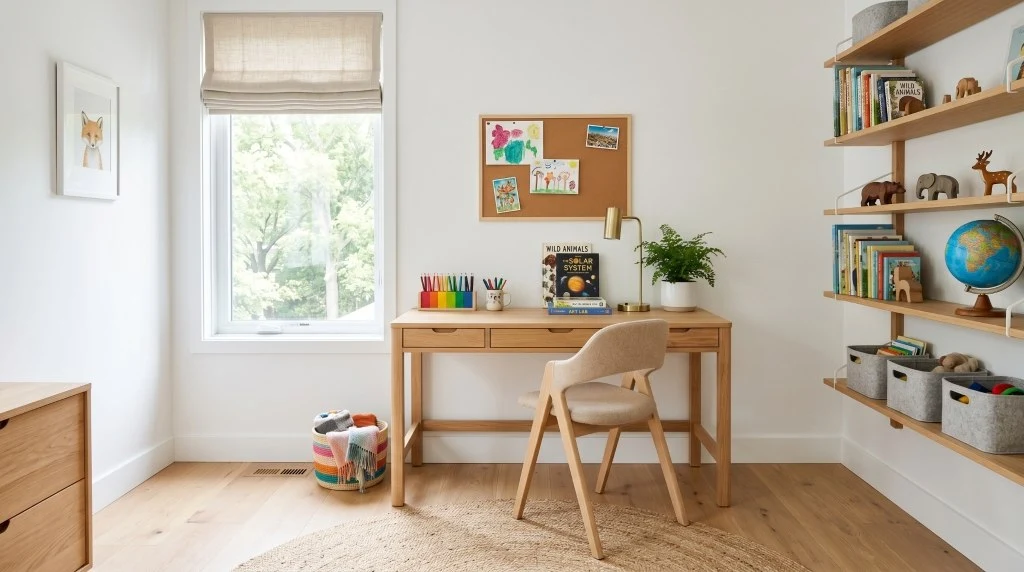
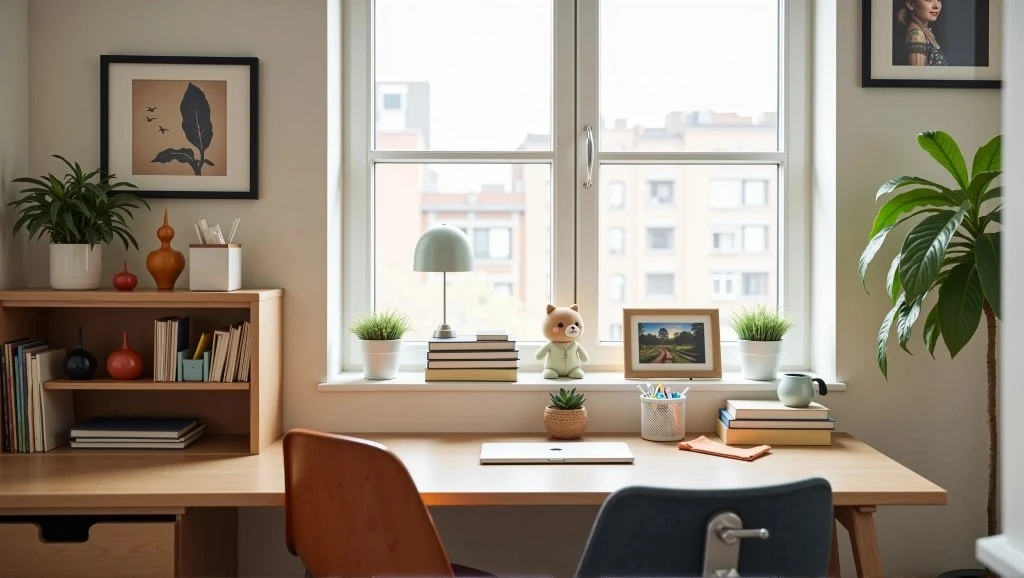
Make the most of limited space by tucking a compact desk into an alcove, awkward corner, or under a window. A custom-sized desk and ergonomic desk chair transform dead space into a focused homework zone. Add wall shelves or cubbies above the desk to keep supplies tidy and create an organized, productive study area without crowding the room.
4. Built-in Desk Between Closets
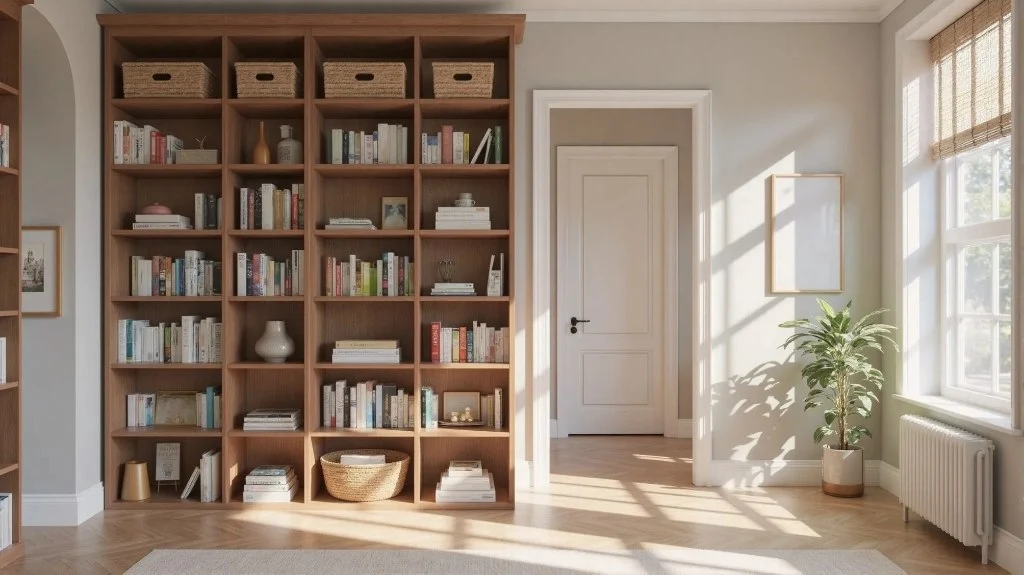
Install a built-in desk between closets or storage units to create a seamless, leg-free workspace that hides clutter and uses every inch efficiently. Floor-to-ceiling cabinets or wall shelves on either side provide dedicated storage for books, stationery, and art supplies—perfect for a clutter-free child’s study. This dedicated study room solution feels intentional and keeps the room visually calm.
5. Color Zones for Different Activities
Divide the study area into color-coded zones to signal different activities: a calming blue corner for reading, a sunny yellow spot for art and creativity, and a green zone for STEM and hands-on projects. Color zoning helps the study area feel organized and purposeful while supporting emotional cues for each activity. To make the space feel cohesive and reduce visual clutter, keep accents consistent, like a blue-and-green rug or matching storage bins.
6. Compact, Productive Setup for Small Spaces
When space is tight, prioritize a wall-mounted desk or a corner desk to free up floor space. Choose slim, multi-functional furniture (a desk with integrated cubbies or a loft bed with an under-desk area) to create a productive study nook in a small bedroom. Use vertical wall space for shelves and pegboards so supplies stay tidy and the desk surface remains clear.
7. Cubbies and Smart Storage for Organization
Install cubbies, labeled bins, and drawer organizers to keep pencils, notebooks, and craft supplies in their place. Open cubbies make it easy for younger children to access materials, while closed drawers reduce visual clutter in a shared study area. A clutter-free zone encourages focused homework time and makes clean-up quick.
8. Ergonomics & Reduce Eye Strain
Choose an adjustable desk chair and position the desk to get soft natural light without glare on screens or books. Add a flexible desk lamp with warm LED light for task lighting. The warm light helps reduce eye strain during evening study sessions. An ergonomically set-up desk area supports longer, more comfortable study periods and improves posture.
9. Reading Corner & Chill-Out Space
Create a cozy reading corner with a small bookshelf, a soft rug, and a comfy bean bag or floor cushion. This separate corner gives kids a different “study area feel” for reading or quiet reflection, which complements a main desk zone and helps younger children shift between active and focused tasks.
10. Personalization, Functionality & Shared Rules
Let kids personalize their study nook with rotating artwork, a pinboard, or color-coordinated supplies—this increases ownership and motivates tidy habits. For shared spaces, set simple rules about keeping supplies in cubbies and clearing the desk after homework. A combination of functional design, labeled storage, and a few fun personal touches keeps the study room organized, attractive, and ready for productive work.
Conclusion
FAQ
Q1: What ages are these study-room designs suitable for?
A: The designs cover a wide range, from preschoolers to teenagers. Montessori low shelves and floor desks suit preschool kids learning independence. Tech-friendly ergonomic stations (adjustable desks, supportive chairs) are better for school-age children and teens. The blog recommends updating themes and decor as kids grow, so parents can adapt each design by age.
Q2: I’m on a tight budget — are there cheap options?
A: Yes. Wall-mounted fold-away desks and under-stairs study nooks are low-cost and space-saving. A minimalist monochrome desk needs only a few storage boxes and one bright accessory. A reading-first setup mainly requires low bookshelves, a beanbag, and a warm lamp — all inexpensive. The blog focuses on IKEA-style, budget-friendly solutions, so most ideas can be done cheaply.
Q3: What if my home is very small — which designs work best?
A: Choose the fold-away wall desk or the under-stairs cubby first; both save floor space. If neither is available, try a shared study table placed against a wall or a Montessori-style floor desk with low shelving. These layouts make the most of tight spaces.
Q4: What should I consider about lighting to protect my child’s eyes?
A: Use three layers of light: natural light (desk placed perpendicular to the window), task light (an LED desk lamp with adjustable color temperature), and ambient light (a ceiling pendant or recessed lights). Avoid screen glare with adjustable blinds or sheer curtains and consider blue-light filters. Natural light and calming wall colors like soft blue or green also help reduce eye strain.