Home Office Decor Ideas: 4 Easy Tips for an Inspiring Workspace
July 29, 2026 • 7min read
Creating a home office that's both functional and inspiring can significantly boost your productivity and overall well-being. Whether you're looking to brighten a dark corner or completely customize a new area, your workspace should reflect your personality and support your best efforts.
From maximizing natural light to choosing the right decorative touches, every detail counts when you make your workspace a true haven of creativity and efficiency. Undergoing a thoughtful interior design process for your office space is the first step toward a more inspired workday.
This article will walk you through four key points to help you craft a personalized home office space that fits your needs.
1. Designing a Personal & Aesthetic Color Palette
The colors on your office wall do more than just look pretty; they set the "vibe" for your entire work environment.
Choosing Your Palette: Beyond Just Black and White
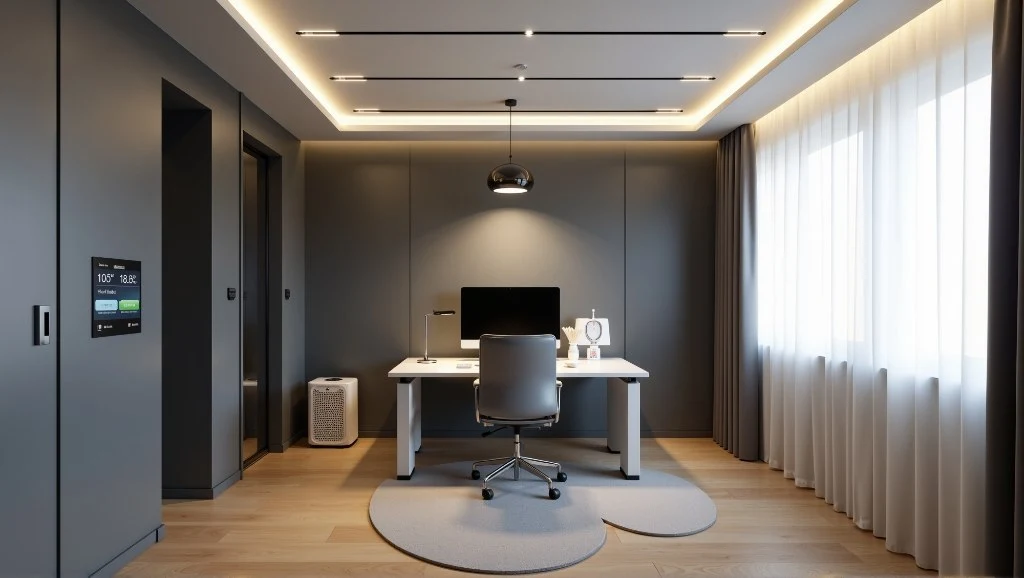
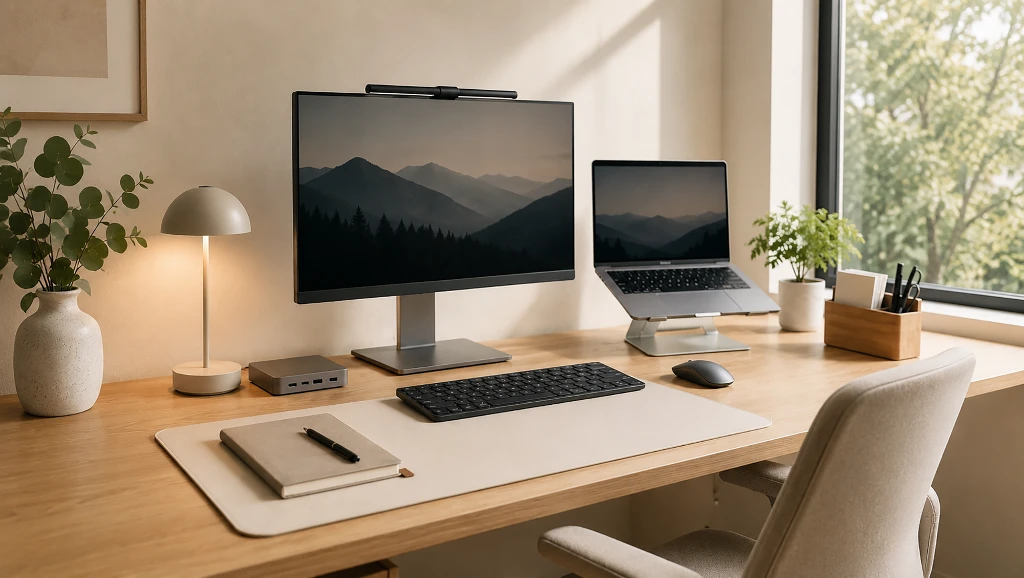
While a black and white setup looks professional and sharp, it can sometimes feel a bit cold in a home office setting. To create a modern office aesthetic, try layering in soft neutrals—think warm beiges, soft creams, or muted greys.

This color palette reduces cognitive load, meaning your brain doesn't have to work as hard to process the room around you. This allows you to stay in the "zone" longer without feeling drained.
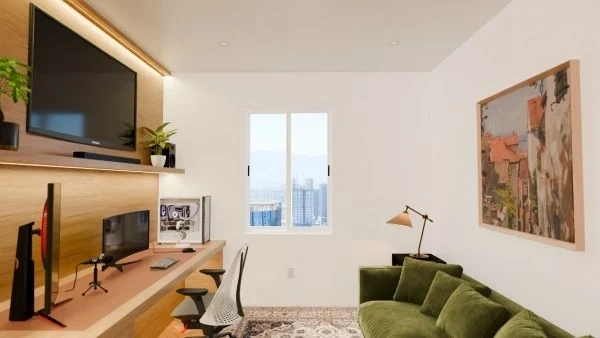
Bringing the Outdoors In for a Rustic Feel
One of the easiest ways to give your office a fresh feel is through biophilic design. Research from the University of Exeter found that simply adding a small plant to a "lean" workspace can increase productivity by up to 15%.
Whether it's a bouquet of fresh flowers on Monday mornings or a few low-maintenance succulents in ceramic pots, adding greenery breaks up the rigid lines of office furniture and helps lower stress levels.

2. Essential Office Supplies & Your "Daily Kit"
Your desk is your command center. If it's a mess, your brain feels like it's in a fog.
Decluttering with Purpose
Visual clutter is a silent focus-killer. A famous study by the Princeton University Neuroscience Institute showed that when your workspace is messy, the clutter competes for your attention, making it harder to process information.
Start by clearing off the surface. A high-quality desk mat can act as an anchor for your sleek desk, defining your work zone. Use pretty file folders and desk organizers to hide away the chaos. If everything has a home, you won't waste ten minutes looking for a pen right before a big call.
The Power of the Minimalist Desktop
The "minimalist" approach isn't about having a blank wall and nothing else; it's about only keeping what you actually use. Clear away the old coffee mugs and random notes. When you have a clean office area, you'll find it's much easier to hit that "flow state."

3. Maximizing Storage with Smart Shelving
In a small home office, floor space is gold. When you run out of room on the ground, look up.

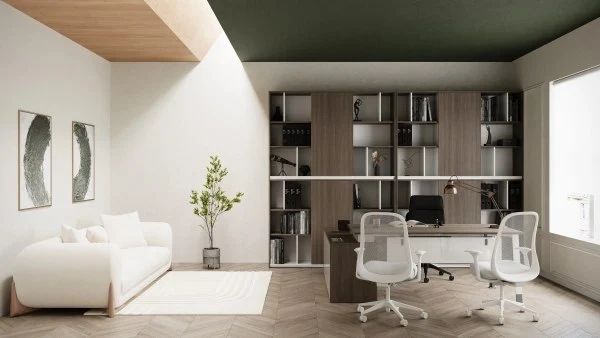
Choosing the Right Bookshelf
A bookshelf isn't just for books anymore—it's a place to showcase your personal style. Mix your professional manuals with a few decorative pieces or photos. This makes the room feel less like a corporate setting and more like a personal space you actually enjoy being in.
Utilizing Corners and Wall Decor
Don't let corners go to waste. Corner shelves are a lifesaver for small rooms. By moving your office supplies to the walls, you keep your desk clear and the floor open, which psychologically makes the room feel much larger.
4. Natural Lighting and Technical Comfort
Lighting is the most underrated part of office design, yet it has the biggest impact on how you feel at the end of the day.
Eye Care: Selecting the Right Lamps
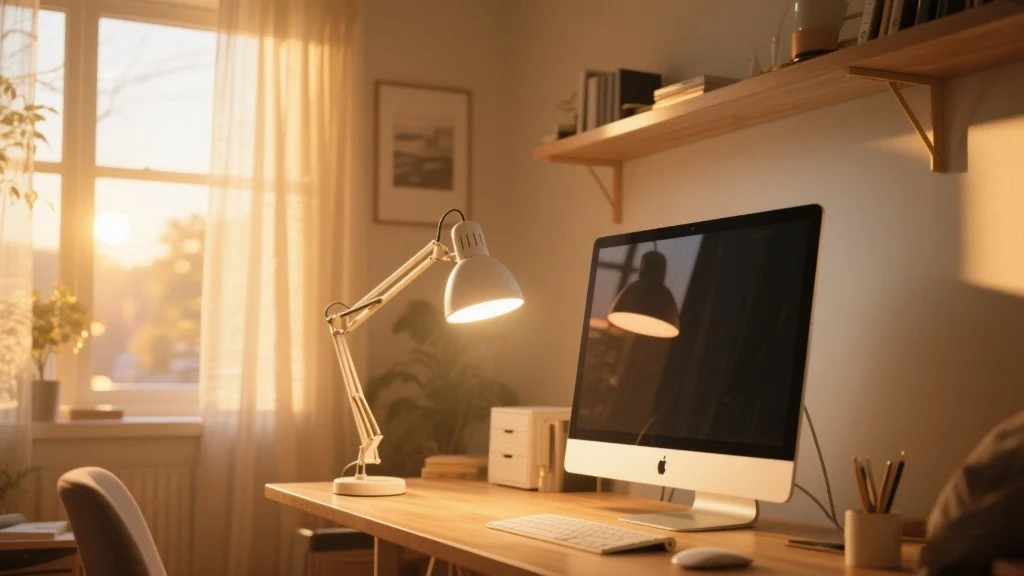
Research from Cornell University highlights that optimized lighting can lead to an 84% drop in headaches and eye strain. If you can, position your desk to get as much natural lighting as possible.
When the sun goes down, a dedicated desk lamp with adjustable warmth is essential. Avoid harsh overhead lights that create shadows on your screen; instead, use a table lamp to create a soft, warm glow in the room.

Powering Up and Taming the Cables
Nothing ruins a beautiful office faster than "cable spaghetti." Use a USB hub to centralize your tech and invest in some basic cable management. Hidden wires are the secret sauce to a professional-looking creative office.
Conclusion
At the end of the day, your office should work for you, not against you. By choosing a grounding color palette, adding a bit of nature, and keeping the clutter at bay, you create an inspiring workspace that supports your productive work and your mental health.
FAQ
Q1: How can I achieve a rustic aesthetic without making my office look cluttered?
A: The key is balance. Use natural materials and warm neutrals as your base. Incorporate decorative items like vases and plants sparingly. Utilize smart storage solutions like bookshelves and organizers to keep clutter out of sight. The goal is rustic charm, not disarray.
Q2: What are the best colors for focus in an office?
A: While personal preference plays a role, research suggests that blues and greens can promote calmness and focus. Black and white also offer a clean, sleek backdrop that minimizes distractions. Soft neutrals provide a warm, inviting base.
Q3: How important is lighting in a home office?
A: Lighting is incredibly essential. Adequate task lighting from a desk lamp or table lamp reduces eye strain, and ambient lighting sets the mood. Natural light is always preferable, so position your desk near a window if possible.
Q4: Can I use scented candles and diffusers in a professional home office?
A: Absolutely, as long as they are used subtly. Opt for light, natural scents like essential oils or mild candle fragrances. The goal is to soothe the senses and create a pleasant atmosphere, not to overpower the space.