Introduction
After a long day at work, many people look forward to coming home and relaxing on the sofa in the living room. As one of the most frequently used areas in a home, the living room is where family members relax, entertain themselves, spend time together, and welcome guests. Therefore, choosing the right living room furniture not only affects the overall interior style but also plays an important role in everyday comfort and space utilization.
For first-time buyers, choosing all the necessary living room furniture can be challenging. From sofas and coffee tables to TV stands, side tables, and storage cabinets, there are countless options in terms of styles, sizes, materials, and functions. It can be difficult to know which products actually meet your needs.
In fact, when considering how to choose living room furniture, price and appearance should not necessarily be the first factors to consider. It is more important to understand your space and lifestyle needs before deciding on the furniture style, size, material, and functions. By considering both the available space and how the room will be used, even a small living room can become comfortable, attractive, and practical.
Determine Your Space Requirements
Before buying living room furniture, the first thing to consider is the actual size and layout of your living room. Some people may assume that larger furniture provides greater comfort, but bigger is not always better. Furniture should be selected according to the size and layout of the room to maintain both comfort and functionality.
If you are buying living room furniture for the first time, start by measuring the length and width of the room as well as the size of the main walkways. Pay particular attention to the locations of doors, windows, radiators, and electrical outlets. When purchasing large pieces such as sofas and TV stands, you should not only make sure they fit inside the living room but also check whether they can pass through the front door, elevator, or staircase during delivery.
For small living rooms, consider a moderately sized sofa, a compact coffee table, and furniture with built-in storage. For example, a coffee table with drawers or a TV stand with storage space can reduce the need for additional storage furniture and help save valuable floor space.
If you have a large living room, you can use a sectional sofa, side tables, rugs, and accent chairs to create different functional areas. However, avoid spreading furniture too far apart, as this can make the room feel empty and disconnected. Positioning furniture around a central area can create a more cohesive layout, while the back of a sofa can also be used to visually separate different areas.
In addition to the furniture placement itself, make sure there is enough space between pieces of furniture for people to move around comfortably. Since the living room is one of the main traffic areas in the home, an overcrowded layout can negatively affect both the appearance and usability of the space.
Different Living Room Furniture Styles to Consider
Once you have determined the appropriate furniture size and layout, you can start thinking about style. Ideally, your furniture should complement the overall interior design of your home to create a cohesive look. However, combining different styles can also produce an interesting and personalized result.
Here are several living room furniture styles worth considering:
1、Modern Minimalist
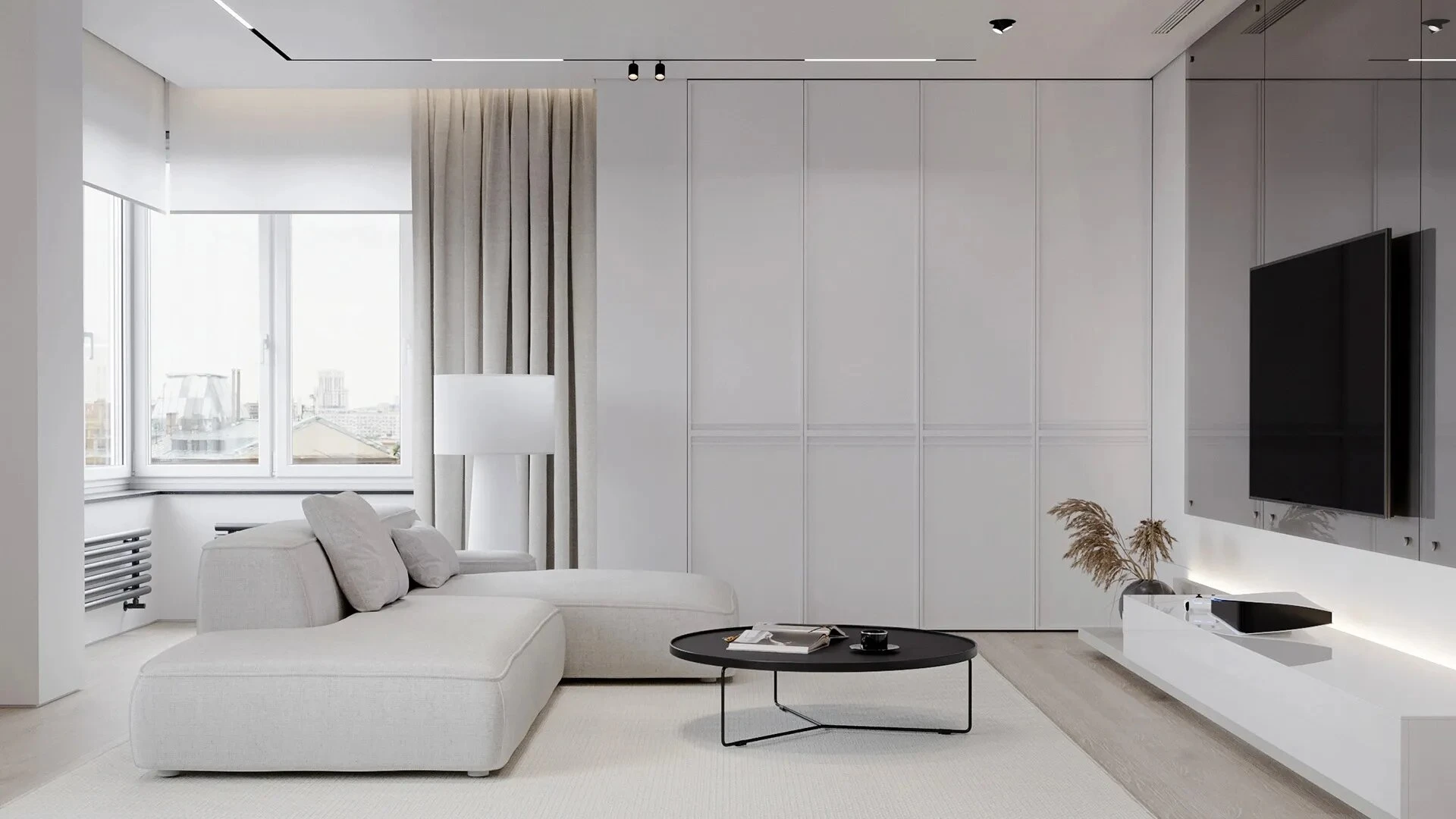
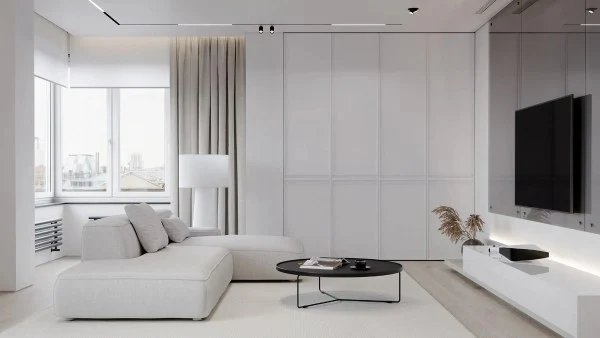

f you prefer a clean and bright space, modern minimalist furniture can be a good choice. Consider a sofa with simple lines, a black coffee table, and a streamlined TV stand. Even in a relatively small space, simple furniture can visually improve the layout and make the living room feel more comfortable and organized.
2、Warm and Natural
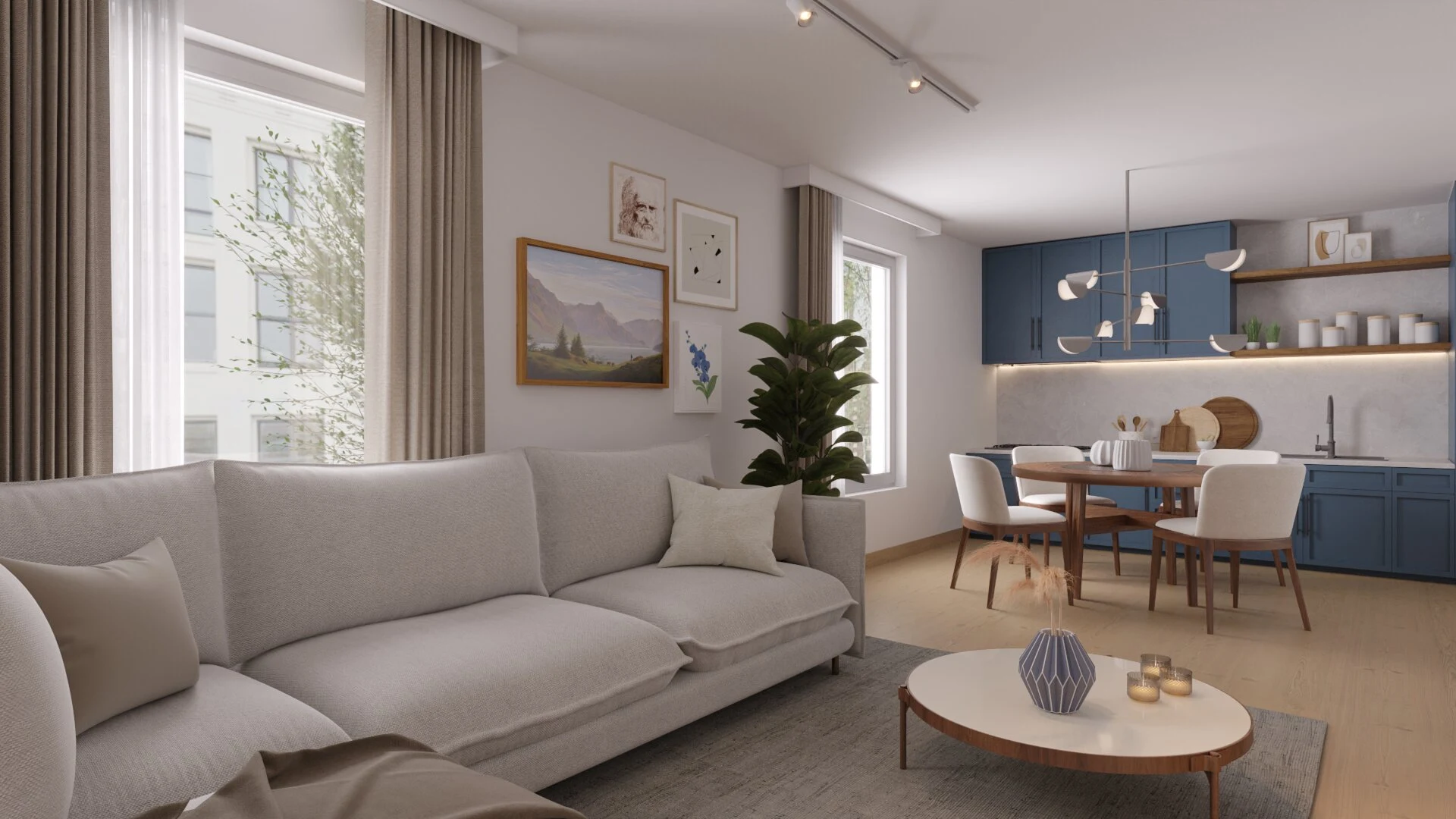
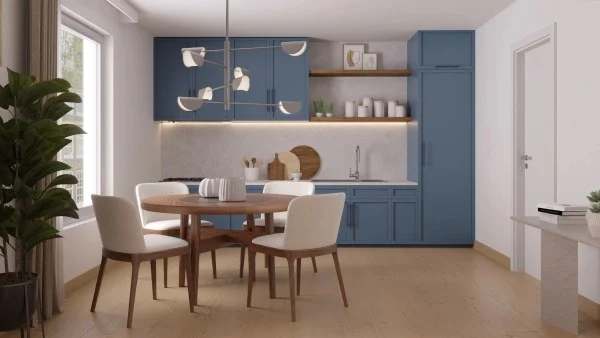
For people who prefer a warm and natural atmosphere, consider materials such as natural wood and linen, combined with beige, cream, or light brown furniture. In this living room and kitchen combination, the gray-blue kitchen cabinets work well with the white and gray tones of the living room furniture, creating a harmonious and relaxing atmosphere.
3、Classic and Vintage
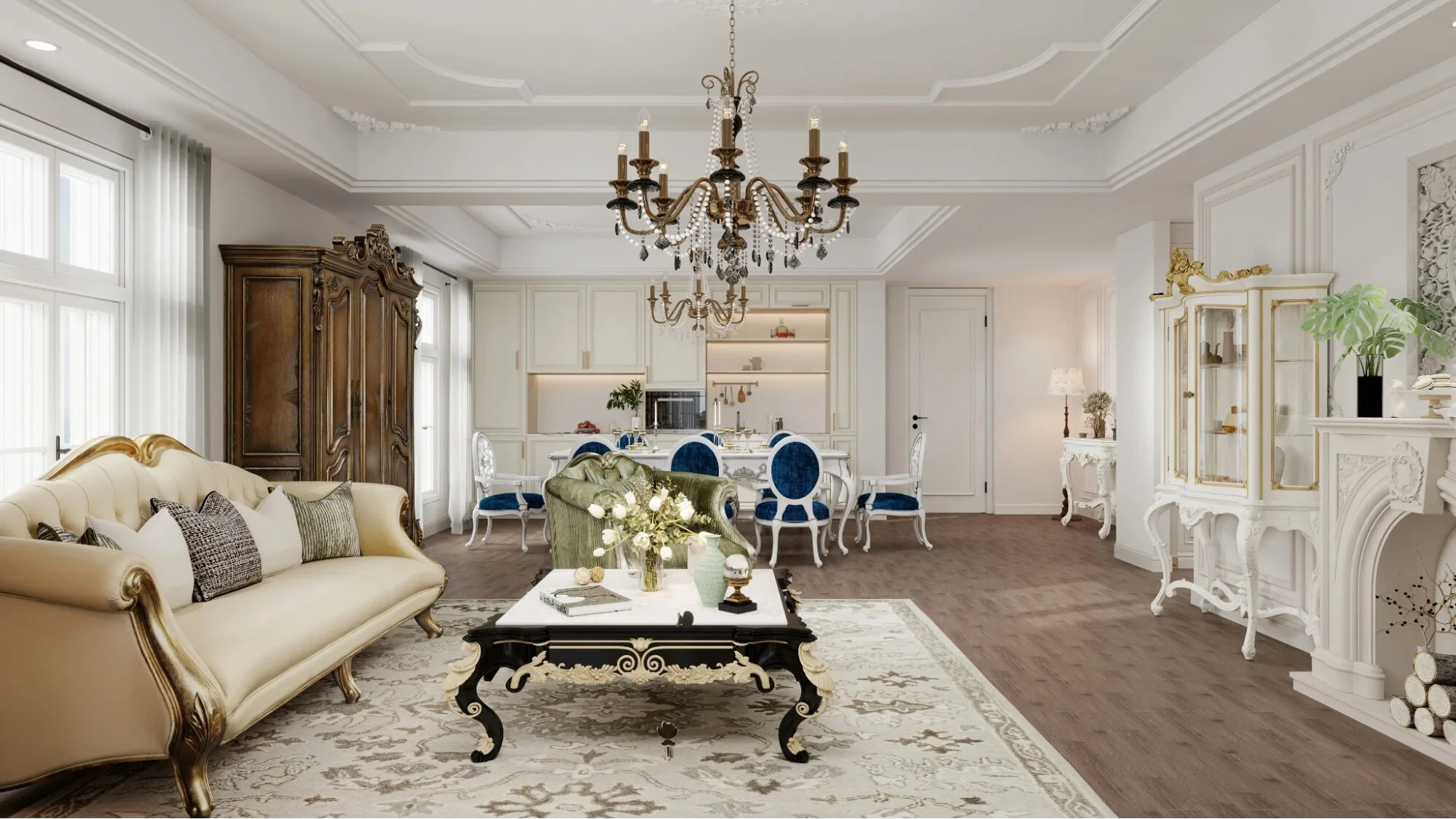
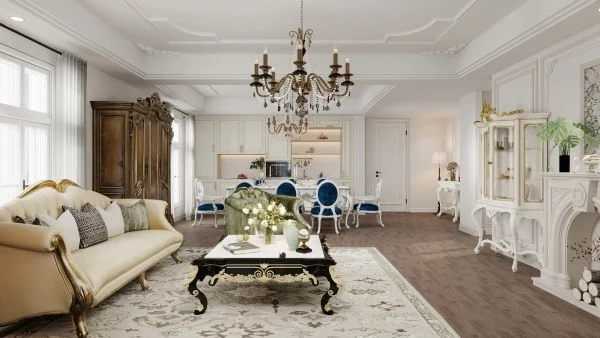
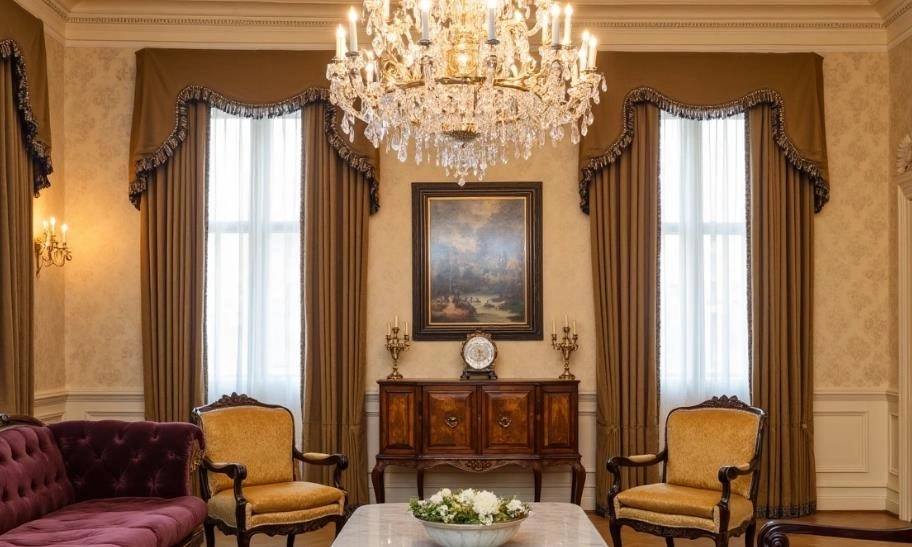
If you prefer classic or vintage interiors, consider furniture with decorative details and coordinate it with suitable colors, materials, and lighting. This living room, for example, uses a relatively simple white-and-gold and black-and-gold color scheme. The elegant chandelier adds a luxurious touch, while the relatively simple sofa design keeps the overall space balanced.
Different furniture styles can certainly be mixed, but it is best to maintain some consistency in colors and materials. Otherwise, the room may look cluttered. In addition to furniture, consider the colors of the walls, flooring, curtains, and rugs.
If the living room already contains strong decorative elements, choose furniture with relatively simple designs. If the overall space is more neutral, a distinctive sofa or an accent chair with an eye-catching design can become a visual focal point.
A good balance between simplicity and visual interest is one of the most important principles when choosing living room furniture.
Consider Comfort and Durability
Furniture is more than decoration. It needs to meet the practical requirements of everyday life, which makes comfort and durability two important factors when selecting furniture.
Take sofas as an example. If possible, try a sofa in person before purchasing it. When visiting a furniture store, pay attention to the firmness of the seat, the height of the backrest, the design of the armrests, and the depth of the seat. If your family frequently watches TV or relaxes on the sofa, comfort should be one of your top priorities.
A sofa with sufficient firmness can provide better support for the body while still offering a comfortable seating experience.
The material is another important factor that affects the lifespan of furniture. Leather, fabric, solid wood, and engineered wood all have different characteristics, so your choice should depend on your household's lifestyle and daily needs.
For families with children or pets, durable and easy-to-clean fabrics and furniture with relatively simple structures can be particularly practical because they are easier to maintain.
The structural stability of furniture should also be considered. A piece of furniture may look attractive, but poor construction or low-quality materials can lead to looseness, deformation, or other problems over time. Therefore, when your budget allows, do not compare furniture based only on appearance and price. Product quality is equally important.
Match Furniture Functions to Your Needs
Every household uses its living room differently. Therefore, when choosing living room furniture, always consider how you actually use the space.
If the living room is mainly used for relaxing and watching TV, focus on a comfortable sofa, a coffee table with a suitable height, and a practical TV stand. If the living room also functions as a reading, working, or entertainment area, you can add an accent chair, bookshelf, or compact desk.
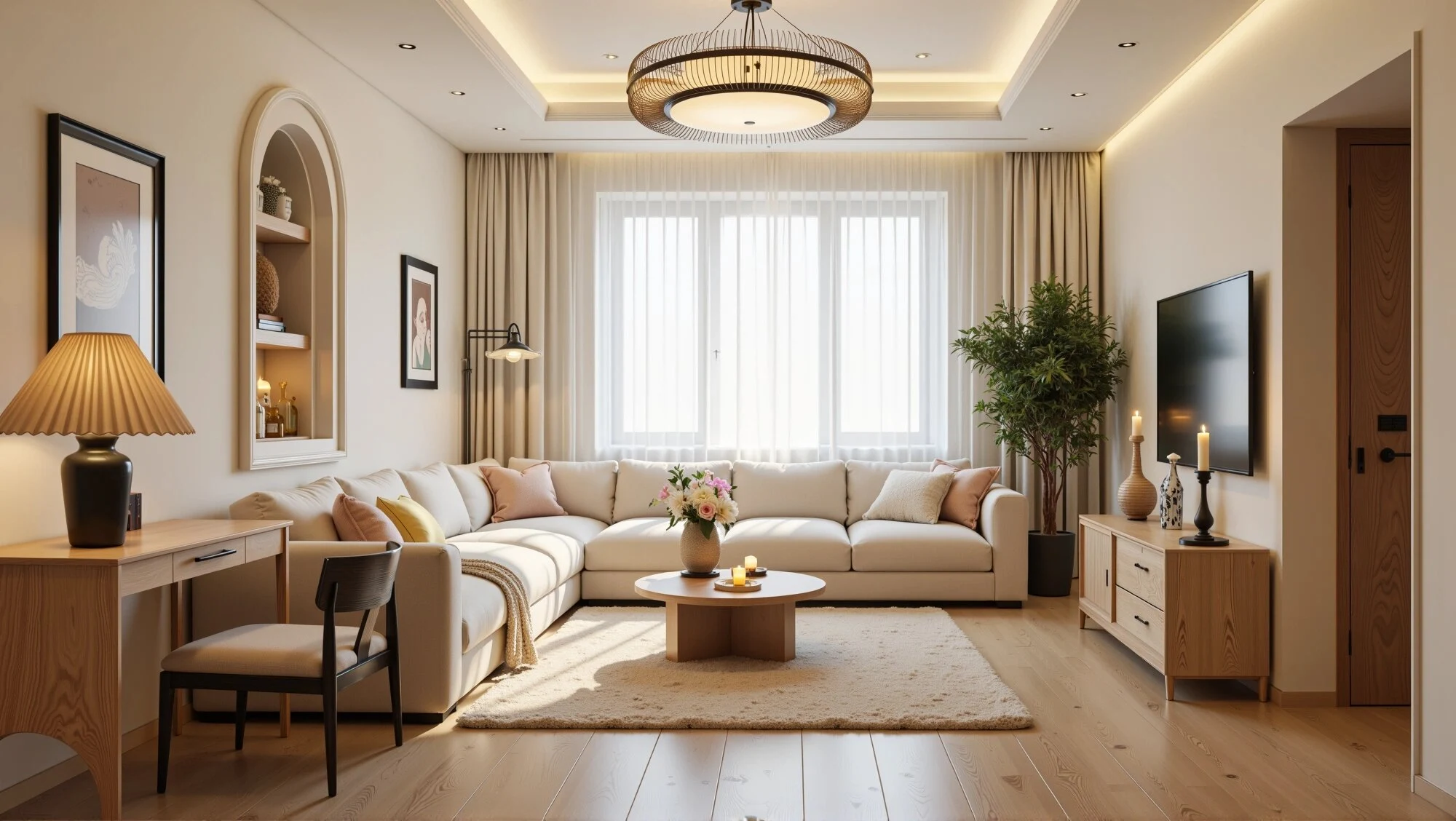

For households that need plenty of storage, consider furniture with hidden or integrated storage. Examples include storage sofas, TV stands with drawers, and multifunctional coffee tables. These options can help keep the living room organized without taking up too much additional floor space.
If you frequently host friends or family members, modular sofas or movable chairs can be useful because the layout can be adjusted according to different occasions.
For small homes, multifunctional furniture is particularly valuable. A single piece of furniture that serves several purposes can significantly improve the efficiency of the available space.
Research Before You Buy
If you are purchasing furniture for the first time, avoid immediately buying something simply because you like its appearance. Before making a decision, research the furniture you are interested in from several different perspectives.
First, use furniture brand websites, home design websites, and social media platforms to explore different living room furniture ideas. This can help you identify the colors, materials, and layouts you prefer.
Next, compare furniture based on dimensions, functions, materials, and prices rather than focusing only on product photos.
Reviews from other customers can also provide valuable information, especially regarding long-term use. Pay attention to whether the furniture is easy to clean, whether cushions lose their shape, whether the surface is resistant to wear, and whether assembly is straightforward.
It is also a good idea to establish a budget in advance. Divide your budget among major pieces such as the sofa, coffee table, and TV stand to avoid spending more than expected.
For frequently used core furniture, it may be worth investing a little more in quality. Decorative furniture that is used less often can be selected at a more affordable price.
Color and proportion
Furniture color directly affects the visual effect of a living room. For smaller living rooms, light-colored furniture usually makes it easier to create a spacious and bright feeling; dark-colored furniture can increase the sense of stability in a space, but if used too much, it may make a small space appear even more cramped.
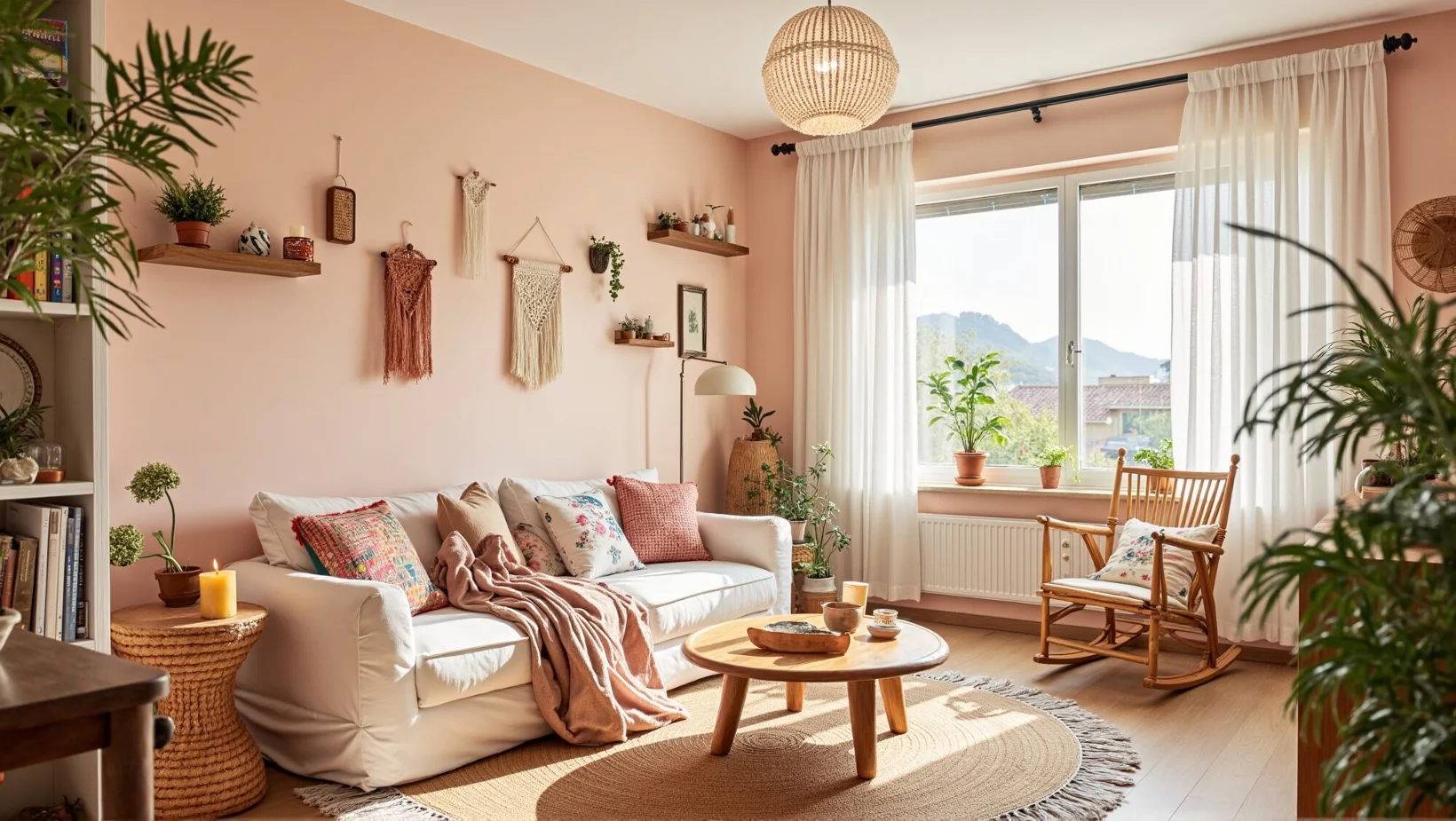

Although this living room is small, the furniture is arranged logically and the colors are harmonious, making the whole space feel comfortable and bright. Therefore, it's important to maintain a reasonable proportion between pieces of furniture. For example, a large sofa paired with an overly small coffee table can look disproportionate, while a small sofa with an overly large TV cabinet can disrupt the balance of the space.
A simple method is to plan the layout on paper before buying furniture, or use interior design software to simulate furniture placement. Confirming furniture dimensions and locations in advance can reduce the chances of finding furniture "unsuitable" after purchase.
Summarize
Choosing living room furniture isn't simply about buying what you like; it requires a comprehensive consideration of space, style, comfort, durability, functionality, and budget. For first-time furniture buyers, a good approach is to "measure the space first, then determine the style, and finally compare materials and functions."
First, accurately determine the size and layout of your living room to ensure the furniture is the right size. Second, choose colors, materials, and designs based on the overall decorating style. Then, focus on the comfort and durability of frequently used furniture like sofas. Finally, consider family members, lifestyle habits, and storage needs to determine specific functions.
By planning ahead and avoiding blindly pursuing expensive or trendy furniture, choosing living room furniture that truly suits your needs will meet your practical daily requirements. With careful selection and arrangement, even first-time furniture buyers can create a comfortable, practical, and personalized living room.
FAQ
1、How do I choose the right living room furniture?
When choosing living room furniture, start by considering the size and layout of your living room. Then determine your preferred style, furniture dimensions, materials, comfort, functionality, and budget. Measuring the space before buying can help ensure that the furniture fits properly and leaves enough room for movement.
2、What furniture should every living room have?
A basic living room usually includes a sofa, coffee table, and TV stand. Depending on the size of the room and your lifestyle, you can also add side tables, accent chairs, storage cabinets, bookshelves, or multifunctional furniture. The right combination depends on how you plan to use the living room.
3、What living room furniture is best for a small space?
For a small living room, choose furniture with appropriate dimensions and practical functions. A moderately sized sofa, compact coffee table, and furniture with built-in storage can help save floor space. Multifunctional furniture is also a good choice because one piece can serve several purposes.