Choosing the right interior paint goes far beyond selecting a pleasing color swatch. True paint expertise lies in understanding the complex chemistry inside the can, the specific environmental demands of your rooms, and how light interacts with different sheens.
Whether you are refreshing a guest bedroom or tackling a full kitchen remodel, this guide will walk you through exactly what to look for, backed by real industry science, so you can buy with confidence.
1. Your Pre-Purchase Roadmap: What to Consider Before Choosing a Paint
Before you even look at colors, you need to decide on the formula. Today's architectural coatings are highly advanced, and matching the chemistry to your home's needs will save you major headaches down the road.
Water-Based Acrylics vs. Oil-Based Alkyds
For 95% of indoor home projects, you want water-based latex (acrylic) paint. The industry has shifted heavily this way, and for good reason. Water-based paints dry in just an hour or two, clean up with simple soap and water, and will not turn yellow as they age.
On the flip side, oil-based alkyd paints use harsh solvents like mineral spirits. While they dry into a beautiful, hard, glass-like shell (making them popular for trim and cabinets), they have a strong odor, take up to 24 hours to dry, and can yellow over time. Unless you are a pro painting heavy-wear woodwork, stick to high-quality acrylics.
Necessary Items: Washability, Low Odor, Eco-Certifications, or Quick Dry Time
When reading the label on a paint can, skip the marketing fluff and look for these practical indicators:
- Eco-Certifications: Nobody wants their house to smell like a chemical factory. Look for the GREENGUARD Gold label. A true "Low-VOC" (Volatile Organic Compounds) flat paint has less than 50 grams per liter, while "Zero-VOC" options have 5 g/L or less, making them safe for kids and pets.
- Washability: If you have dogs or toddlers, washability is non-negotiable. Matte and flat paints are notoriously hard to clean. You will want a paint with a slightly higher sheen (like eggshell) formulated for scrub resistance.
2. The Secret to Longevity: Three Core Elements That Determine Paint Lifespan
Have you ever wondered why one gallon costs 25 USD while another right next to it costs 80 USD? The difference is not just branding. It comes down to three microscopic factors.
Resin Integrity (The Glue)
Think of resin as the glue that holds the color to your drywall. Economy paints often use vinyl acrylic binders, which are cheap but tend to break down or turn chalky when you scrub them. Premium paints use 100% acrylic binders. This creates a tight, flexible layer on your wall that refuses to peel and lets you wipe away greasy fingerprints without taking the color with it.
Sheen Intelligence (The Shine Factor)
Sheen dictates how much light bounces off your wall, and it drastically affects both look and durability:
- Flat/Matte (0-5% gloss): Absorbs light beautifully. It is the absolute best choice for hiding dents, nail holes, and bad drywall patches. The trade-off? It is highly porous and tough to clean.
- Eggshell/Satin (10-25% gloss): The ultimate sweet spot for homes. It has enough resin to resist dirt and handle a damp sponge, with just a soft, warm glow.
- Semi-Gloss/Gloss (35-70%+ gloss): Tough as nails and highly water-resistant. However, it acts like a mirror, so it will highlight every single flaw on your wall. Reserve this for doors, trim, and baseboards.
Volume Solids Breakdown (The Meat of the Paint)
Here is an insider secret: look at the Technical Data Sheet (TDS) for the paint's Volume Solids percentage. When you roll paint onto a wall, the solvents (water) eventually evaporate. Whatever is left behind on the wall—the pigments and resins—are the "volume solids."
According to technical bulletins from major manufacturers like Dunn-Edwards, an economy paint might be less than 30% volume solids. This means 70% of what you just applied is going to evaporate, leaving a paper-thin layer that requires three coats to look decent. Premium paints boast 35% to 45% volume solids. You get a thicker, richer, more protective layer that usually covers in just one or two coats.
3. Room-Specific Selection: Matching Paint to Each Space
Every room in your house has its own micro-climate. You cannot treat a steamy shower room the same way you treat a quiet study.
Wet and Greasy Zones: Bathroom and Kitchen
Kitchens and baths deal with high humidity, boiling water, and cooking grease. Standard wall paint will blister here. You need paints specifically formulated with EPA-registered mildewcides to fight off mold. Always opt for a satin or semi-gloss finish in these rooms; the tighter surface prevents moisture from soaking into the drywall.
High-Traffic Thoroughfares: Hallways, Entryways, and Kids' Spaces
These are the combat zones of your home. Backpacks scrape the walls, and muddy hands grab corners. Invest your money in a premium 100% acrylic paint in an eggshell finish. The high volume solids ensure that when you scrub away a scuff mark, you do not accidentally polish the wall and leave a weird, shiny bald spot.
Restful Retreats: Bedrooms and Living Areas
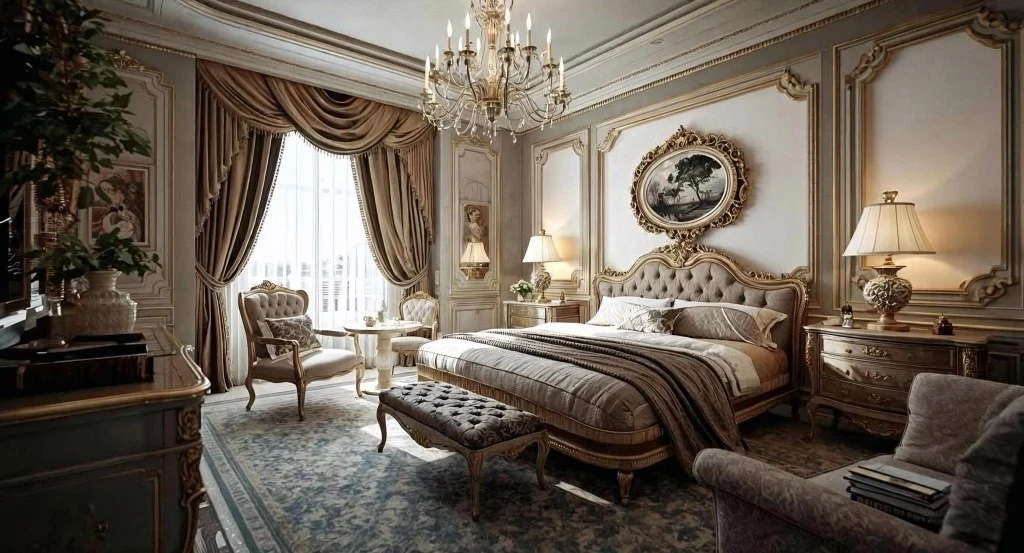
Because you are not usually throwing spaghetti sauce in your bedroom, you can focus purely on aesthetics here. A flat or matte finish is glorious in these spaces. It softens the glare from your lamps and windows, creating a cozy, velvety vibe while hiding any architectural imperfections.
4. Decor-Driven Color Choices
Once you have the right formula, picking the color becomes a lot less stressful if you follow a few basic design principles.
Pulling a Cohesive Palette from Existing Tones
Your walls need to play nicely with your floors and furniture. Look at your hardwood floors or cabinets—are they warm (cherry, oak) or cool (ash, gray)? Warm woods pair beautifully with warm wall undertones like creams or soft terracottas. A foolproof trick is to pull a secondary color from a favorite rug or throw pillow and use that as your wall color.
How Light and Rugs Influence Perception
Colors are essentially chameleons. A bright red rug will bounce pinkish light onto a pure white wall. Also, pay attention to the Light Reflectance Value (LRV) on the paint chip, rated from 0 to 100. A high LRV (70+) reflects light and makes a dim room feel brighter. A low LRV (<30) absorbs light, which is perfect for creating a moody, dramatic dining room.
Using the 60-30-10 Rule
Interior designers use contrast to make a room look finished. Try the 60-30-10 rule: 60% of the room is your main wall color, 30% is your furniture/rugs, and 10% is your accent (like crisp white trim). Alternatively, if you want a highly modern look, try "color drenching"—painting the walls, ceiling, and trim the exact same color to blur the boundaries of the room.
5. Interior Paint Brand Worth Buying
If you want predictable, high-quality results, stick to trusted, research-backed American brands. Here are a few that consistently perform well on professional metrics:
Benjamin Moore Aura® Interior Paint:
Often considered the gold standard. It features proprietary Color Lock® technology that binds pigment into the resin. With high volume solids (around 43-45%), it offers incredible coverage and deep, rich colors. Expect to pay upwards of 90 USD a gallon, but it is worth it for the performance.
Sherwin-Williams Emerald® Interior Acrylic Latex:
This is a top-tier choice that gives a stunningly smooth finish. It is GREENGUARD Gold certified, meaning very low emissions, and it offers incredible scrubbability, even if you choose a flat sheen.
Behr Marquee® Interior Paint & Primer:
Available exclusively at The Home Depot, this is an excellent value option (usually around 50 USD to 60 USD). It boasts a heavily marketed one-coat coverage guarantee (when used with their specific color palette) and is highly resistant to stains.
PPG Prominence™ Interior Paint:
PPG is a giant in the global coatings industry. The Prominence line is a zero-VOC formula that is incredibly durable, making it a hidden gem often favored by commercial contractors.
Conclusion
A fresh coat of paint is the easiest way to transform your home. The secret is blending lasting quality with beautiful colors. Think of good paint as a tough, protective shield. Investing in premium brands means your walls will resist everyday scuffs and wipe clean easily. But strength is only half the story. Your wall colors must also fit the room's vibe. By choosing shades that perfectly match your floors, furniture, and natural lighting, you tie the whole space together.
Authentic Sources & Authoritative References:
- Dunn-Edwards Paints Technical Bulletins: Tech Sheet: Volume Solids. This foundational document confirms the industry metric that premium latex paints contain 35% to 45% volume solids, ensuring better coverage. Review the technical sheet here.
- American Coatings Association (ACA): Acrylic Polymers for High-Performance Interior Wall Paints. Details the chemical advantages of using 100% acrylic resins for longevity and washability. Access the research here.
- Painting Contractors Association (PCA): Industry Standards. Outlines the strict professional standards for calculating Dry Film Thickness (DFT) and application methods. Read the standards here.
- U.S. Environmental Protection Agency (EPA): Volatile Organic Compounds' Impact on Indoor Air Quality. Explains the health necessity of choosing low-emission (Low-VOC) architectural coatings for home interiors. Read the EPA guidelines here.
FAQ
1.How do I calculate how much paint I actually need?
A standard gallon of premium paint covers about 350 to 400 square feet. Measure the length of your walls, multiply by the ceiling height, then subtract about 15 square feet for every window and 21 square feet for every door. Divide that final number by 400. Always buy enough for two coats to be safe!
2.Do I really need to use a primer first?
Not always. Most premium paints today are "Paint & Primer in One," meaning they stick beautifully to previously painted walls. However, you absolutely need a dedicated primer if you are painting over raw drywall, trying to cover a dark navy wall with white paint, or switching from an old oil-based paint to a new water-based one.
3.How long should I wait before washing a newly painted wall?
Even though water-based paint feels dry to the touch in an hour, the chemical "curing" process takes about 14 to 30 days. Be patient! Do not scrub or wash your walls until a full month has passed, or you might accidentally rub the new finish right off.