In modern living environments, small kitchens have become commonplace in many homes. However, limited space does not mean compromise on quality and aesthetics. On the contrary, the more limited the space, the more it tests the wisdom of design and the refinement of details.
This plan will share 20 design ideas focusing on space utilization, traffic flow optimization, and visual presentation, exploring how to create a practical, comfortable, and stylish ideal kitchen within a limited space.
Here are a few tips to make your kitchen space look bigger.
1.Prioritize and Optimize Layout
Try to follow the "take-wash-cut-fry" operation sequence. Common options include a straight or L-shaped layout, which makes it easier to use and reduces the feeling of crowding caused by walking back and forth.
2.Develop Upwards, Maximize Storage
Making full use of wall space by extending wall cabinets to the ceiling not only makes the space appear larger visually, but also significantly increases storage space.
3.Leave the countertop as blank as possible
A cluttered countertop can make a space feel cramped; reducing unnecessary clutter can improve the overall user experience and visual comfort.
A cleverly designed kitchen can enhance your cooking experience, inspire unprecedented culinary creativity, and make you fall in love with cooking. Below are some carefully curated design ideas inspired by the EClife brand.
1.Open kitchen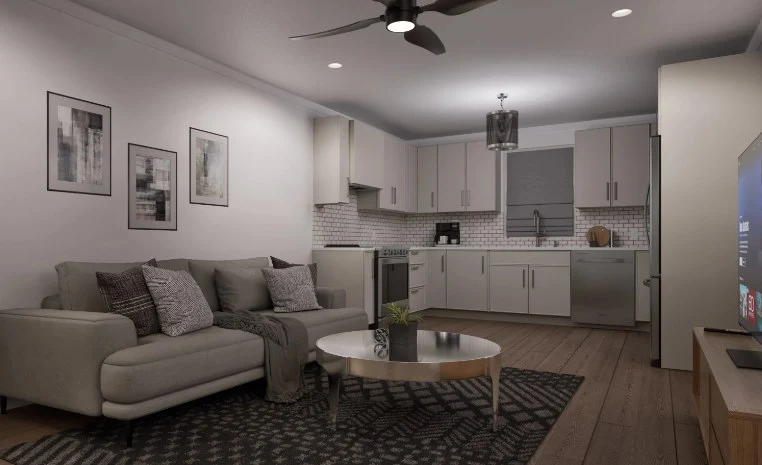
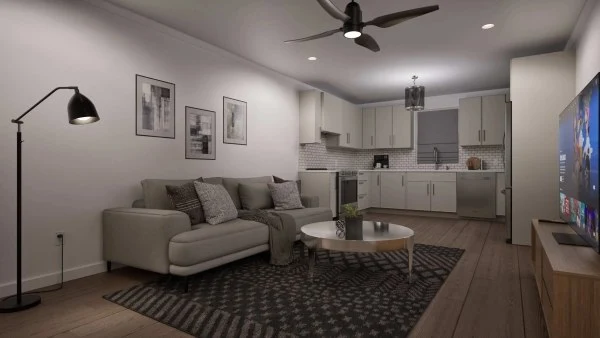
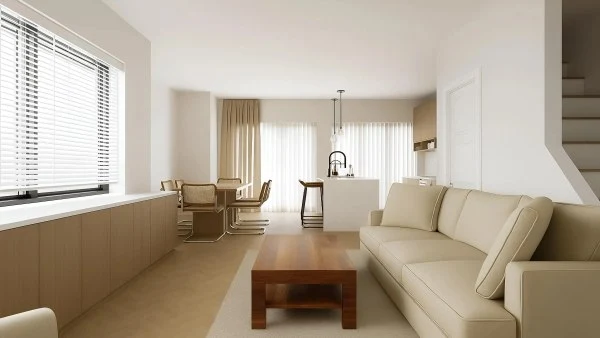
The kitchen is no longer a closed backstage area for cooks, but an open social center. In this small apartment, the designer Britt incorporated the kitchen into the overall design scheme, using the same color scheme as the sofa to make the kitchen appear more spacious and also enhance the sense of family interaction.

2.Cabinets reaching the ceiling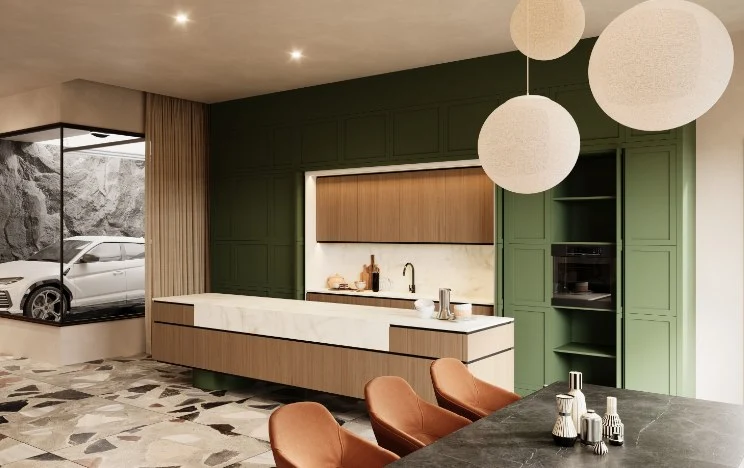
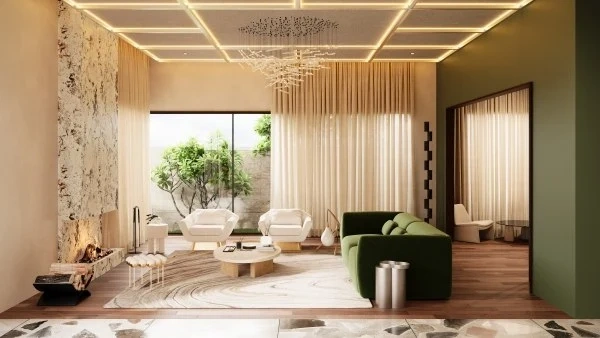
Making the cabinets flush with the ceiling visually elevates the kitchen, making the space appear more upright. Designer Mashiro Jo incorporated this design into her open-plan living room, further enhancing the sense of height throughout the space.
3.Wall-Mounted Storage Cabinet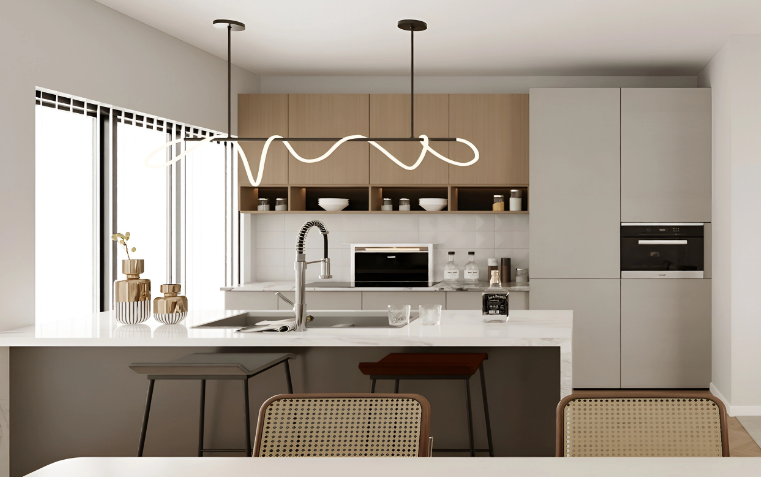
If the upper space in the kitchen is left open, it does indeed look visually spacious— albeit a bit bare. Designer Liaam Hughes opted for wall-mounted cabinets made of natural wood, leaving open compartments underneath; this design allows for the display of tableware while simultaneously providing increased storage capacity.
4. Dining Room and Kitchen Combined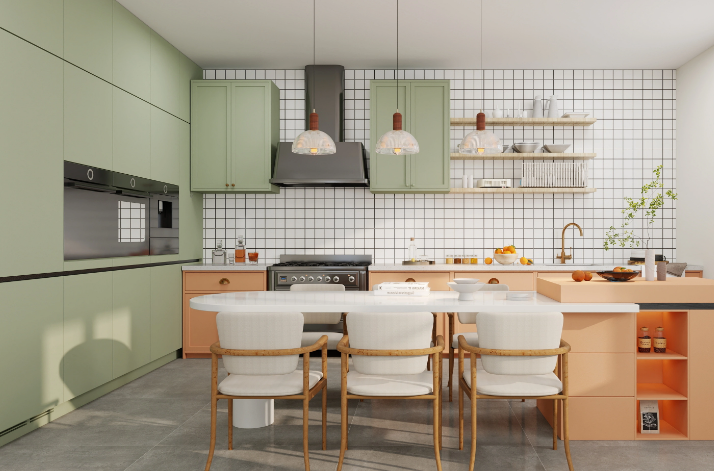
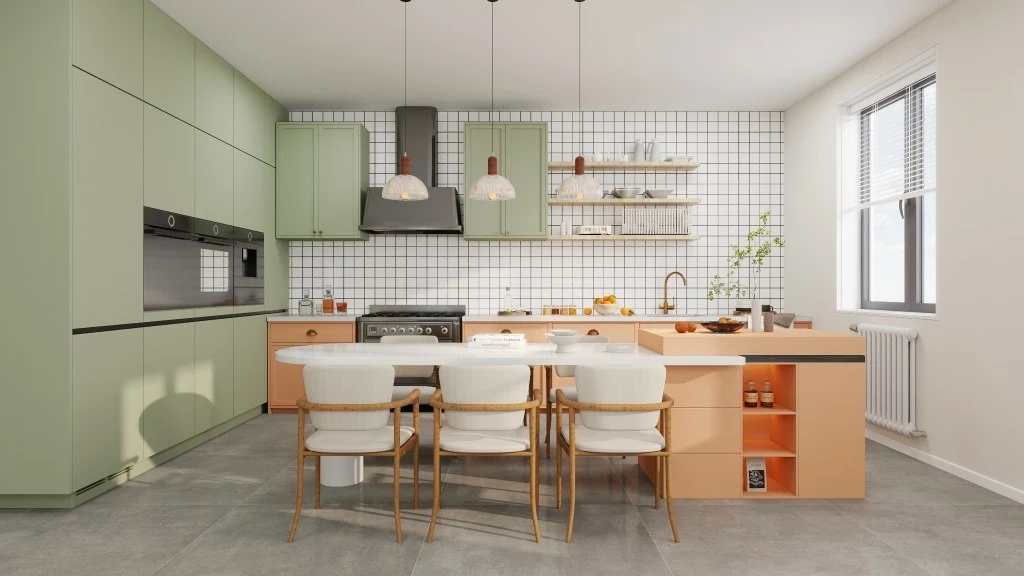
When designing the living room, the Mashiro Jo design team incorporated a dining table; its crisp white finish stands in distinct contrast to the kitchen's macaron-hued palette. This arrangement not only conserves space but also creates the visual impression of a dedicated dining area.
5.Built-in Refrigerator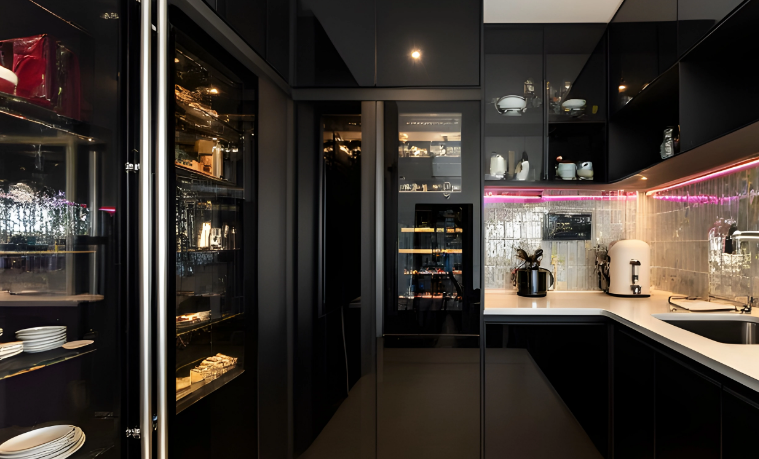
Built-in refrigerators lend greater visual continuity to the kitchen's vertical surfaces, eliminating any sense of fragmentation. Designer John Smith utilized this feature to render the refrigerator completely invisible, thereby making the small kitchen appear bigger.
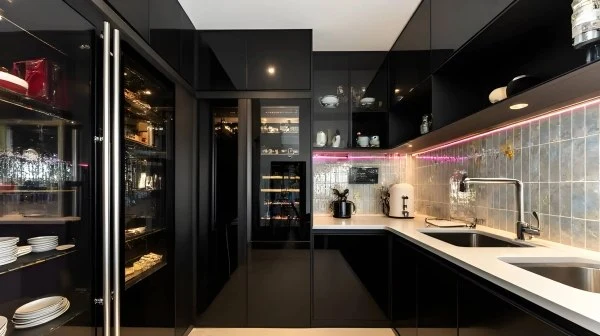
6.Folding Dining Table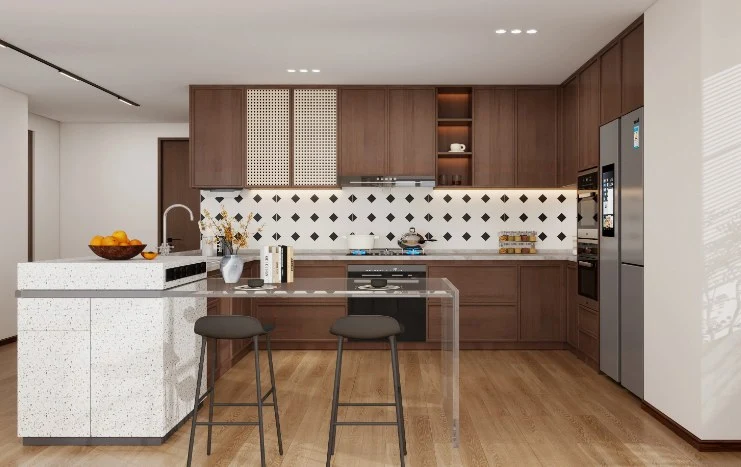
If you lack sufficient space for a dining table, a folding table makes for the ideal choice. When not in use, it can be folded away without taking up a single inch of space, creating a cozy atmosphere perfect for dining solo.
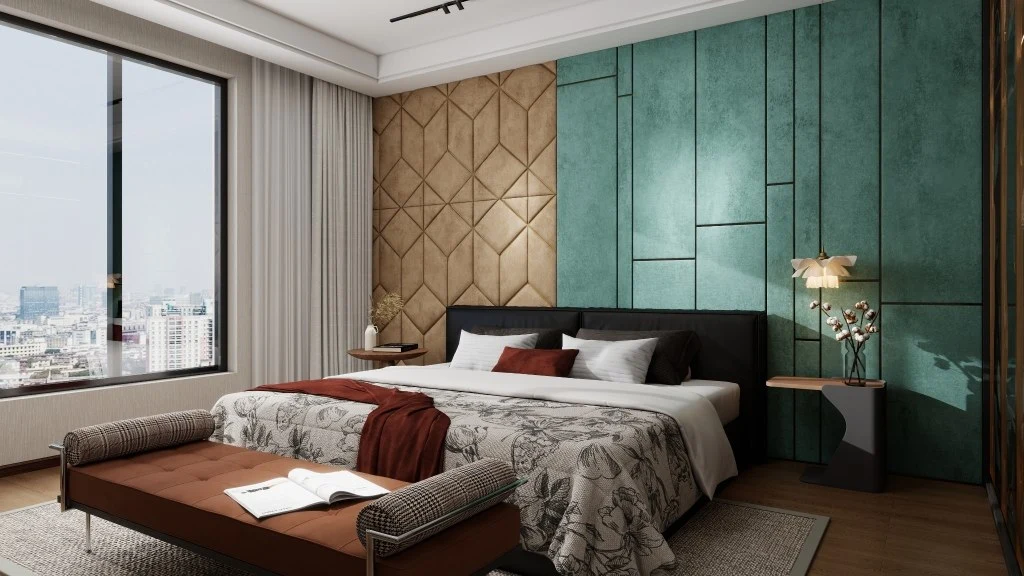
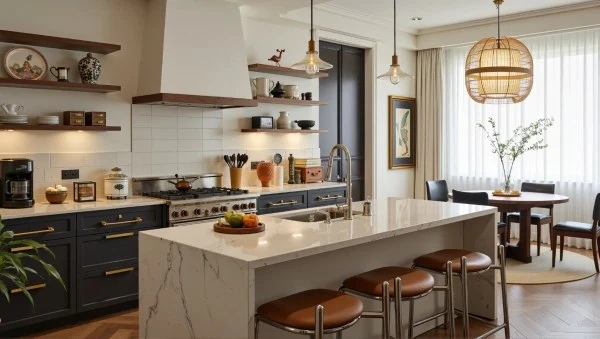
7.Multifunctional Kitchen Island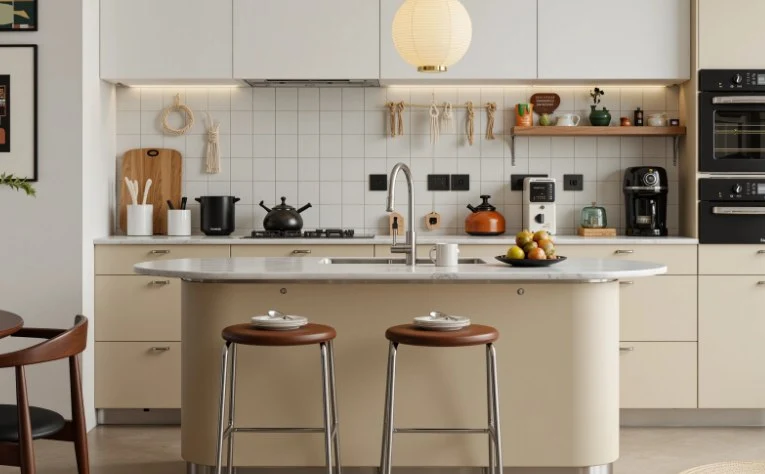
This kitchen island features an integrated faucet, consolidating functions such as food preparation, storage, and dining. By enabling "multifunctional utility" within a limited footprint, it maximizes the value and efficiency of the space.
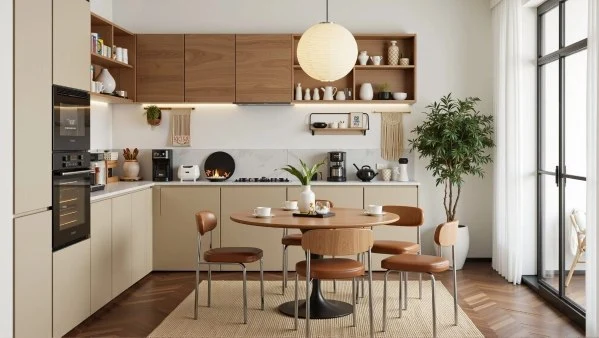
8.Corner Countertop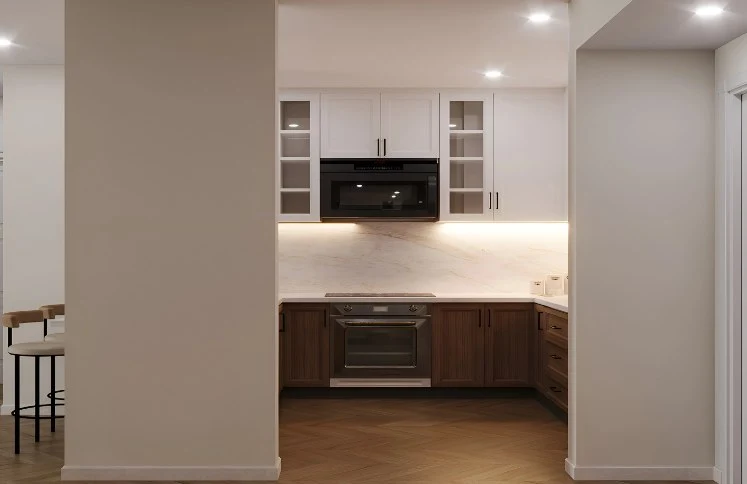
Given the limited space,Designer Kiki Layne chose to make this kitchen as a cozy, intimate sanctuary; the corner countertops provide additional surface area and storage, thereby ensuring a smoother workflow.
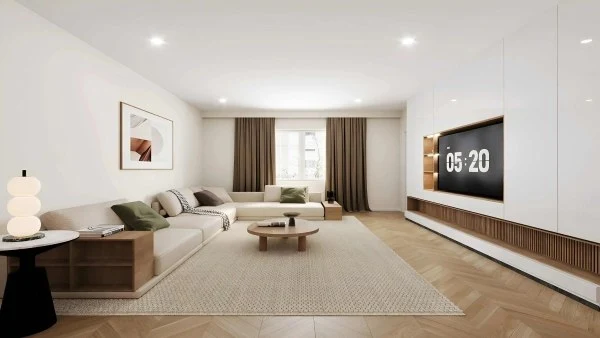
9.Single-wall Kitchen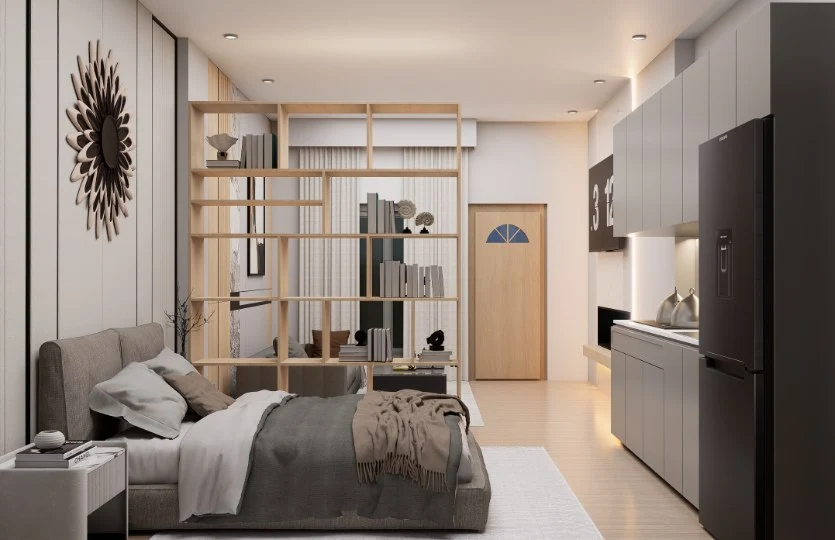
If you don't cook often, you can follow the lead of designer Euror Biba by opting for a single linear countertop—a solution that maintains the presence of a kitchen while still meeting your daily needs for simple cooking.
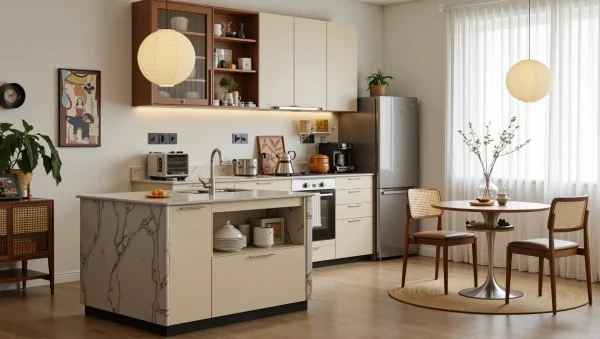
10.Mini Kitchen Island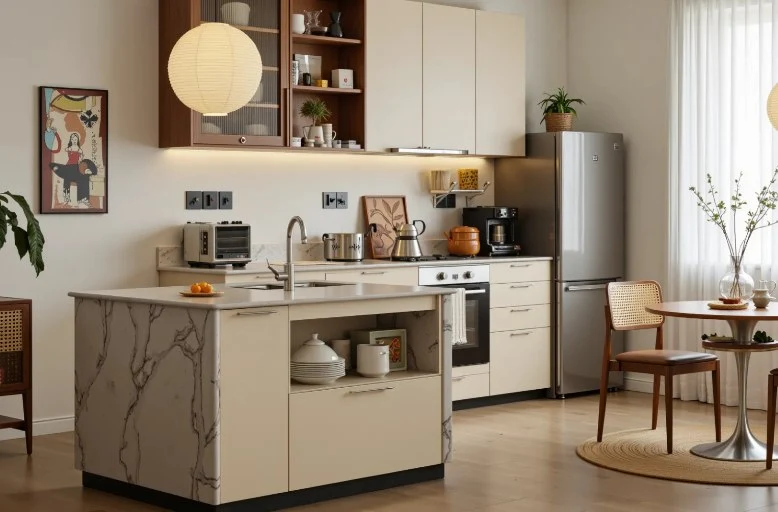
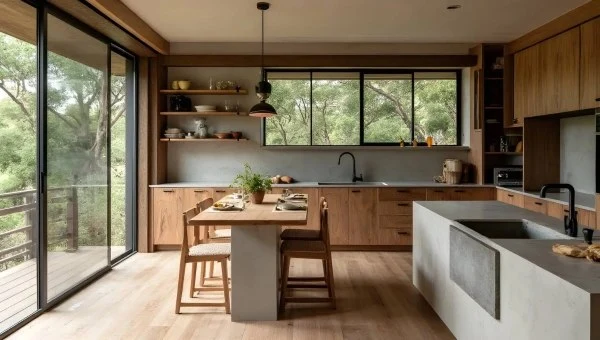
Who says a small space means having to forgo a kitchen island? The John Smith Design Team creatively incorporated a compact island, infusing it with a unique aesthetic flair that harmonizes beautifully with the surrounding greenery—enhancing functionality while simultaneously showcasing the homeowner's impeccable taste
11.Increase Natural Light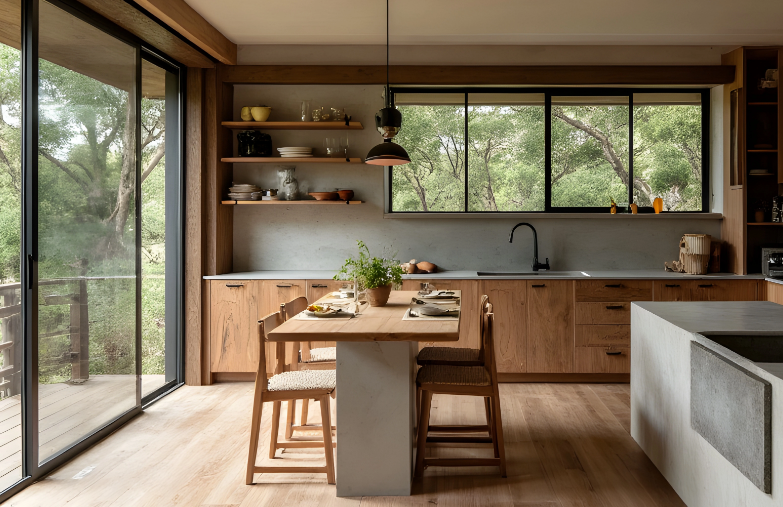
Taking this design by John's team as an example: not only did they position the kitchen close to a source of light, but they also added extra windows. “Expansive floor-to-ceiling windows draw the lush greenery of the outdoors—along with an abundance of natural light—into the interior, creating the sensation of being immersed in nature while cooking or dining".He said.
12.Bold Color Blocking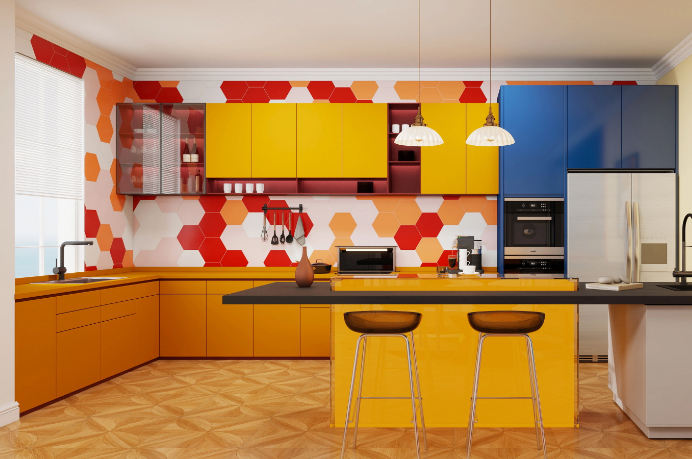
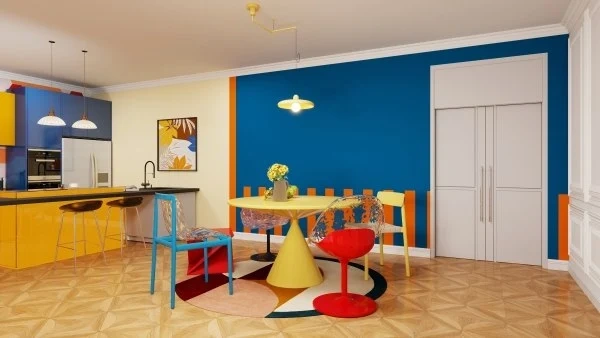
In the design, the designer employed highly saturated, vibrant colors to add visual interest. A pieced-together backsplash creates a focal point, while the contrast between distinct color blocks enhances the sense of spatial zoning.
13.Add clever lighting fixtures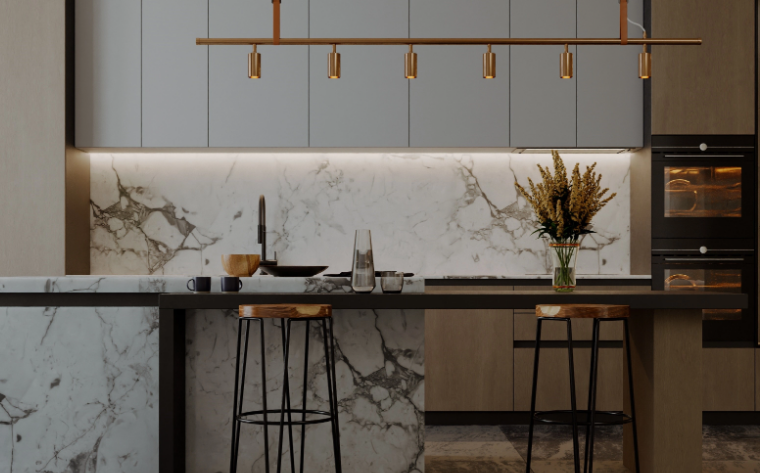
Install concealed LED strips beneath the wall cabinets and add pendant lights over the kitchen island; by selecting appropriate lighting fixtures for different zones, you can enhance the overall brightness of the space and avoid the oppressive atmosphere often associated with small rooms.
14. Ingeniously Utilizing Shelving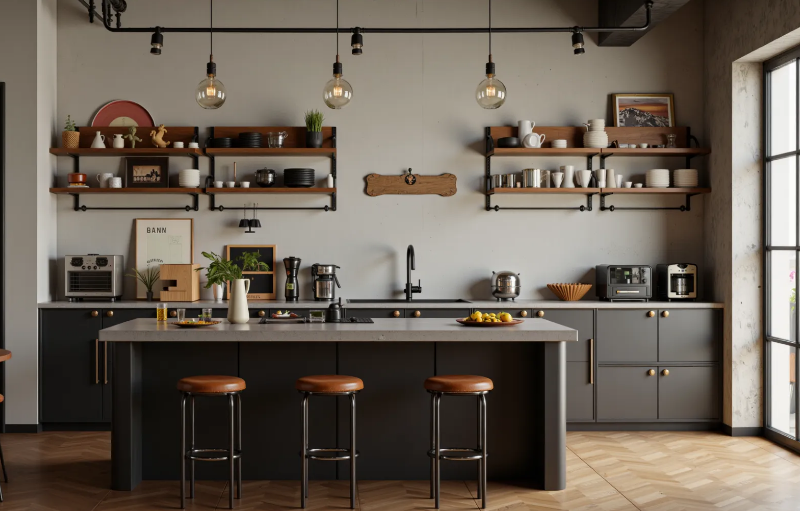
The function of a shelving unit extends far beyond mere storage. Here, the designer has selected shelving that harmonizes with the color of the chairs, displaying exquisite tableware to give the entire space a refined and stylish aesthetic.
15.Exquisite Hardware Accessories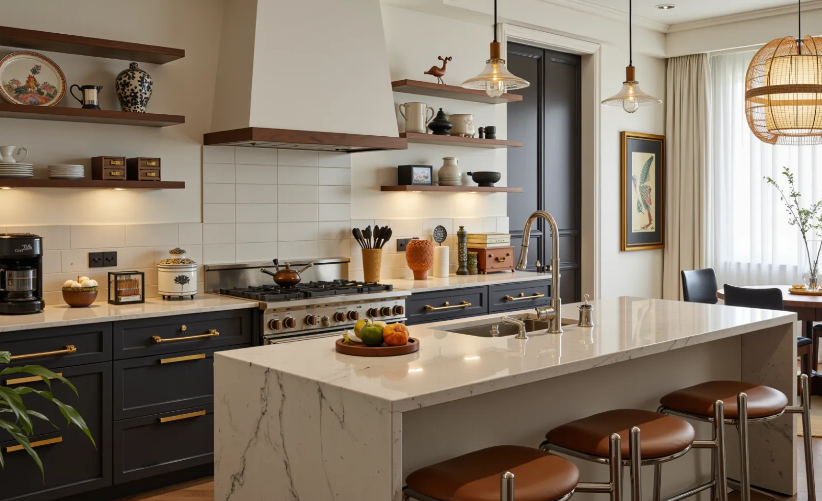
High-quality hardware fittings are often the key details that determine the overall user experience; designer John Smith has used hardware handles to truly bring the nautical-style decor to life,while incorporating saucer-style pendant lights to further elevate the design aesthetic.
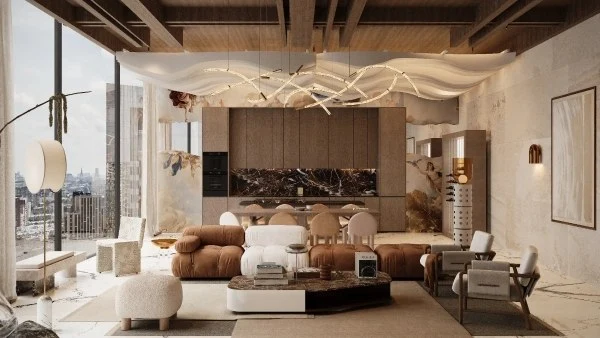
16. Monochromatic Color Layering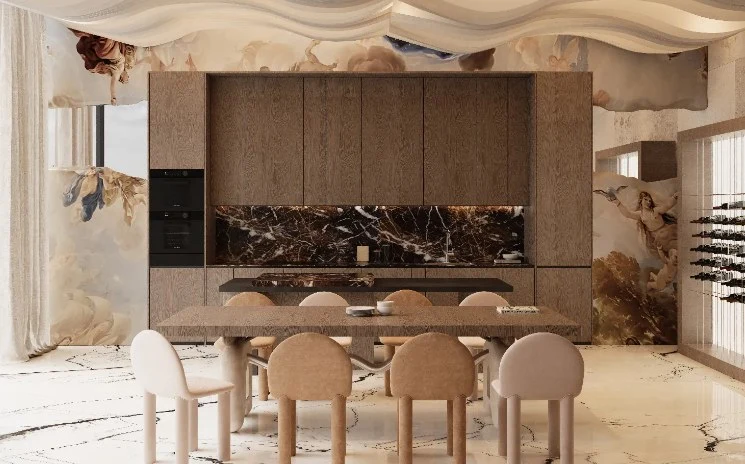
Designer Virush M blends modern minimalism with classic grandeur in the kitchen, featuring chairs in a gradient of earth tones enables smooth transitions formed between different colors.A subtle yet ingenious design touch that serves to significantly enrich the visual depth and layering of the room.
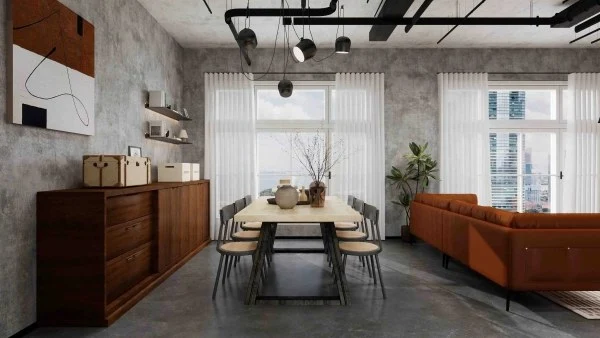
17.A stylish wallpaper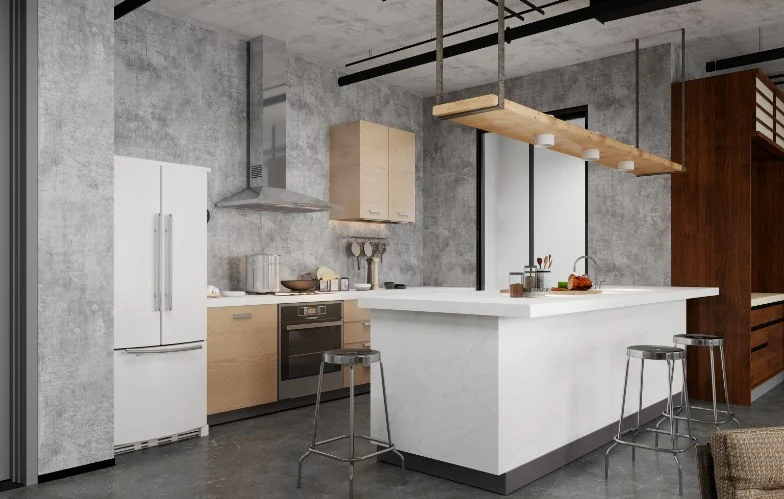
German designer Otto Zenker views the kitchen as an integral part of spatial order—a concept the Smith team has interpreted with great success. By incorporating cement-effect wallpaper, they have seamlessly integrated the kitchen into the overall industrial-style aesthetic.
18.Minimalism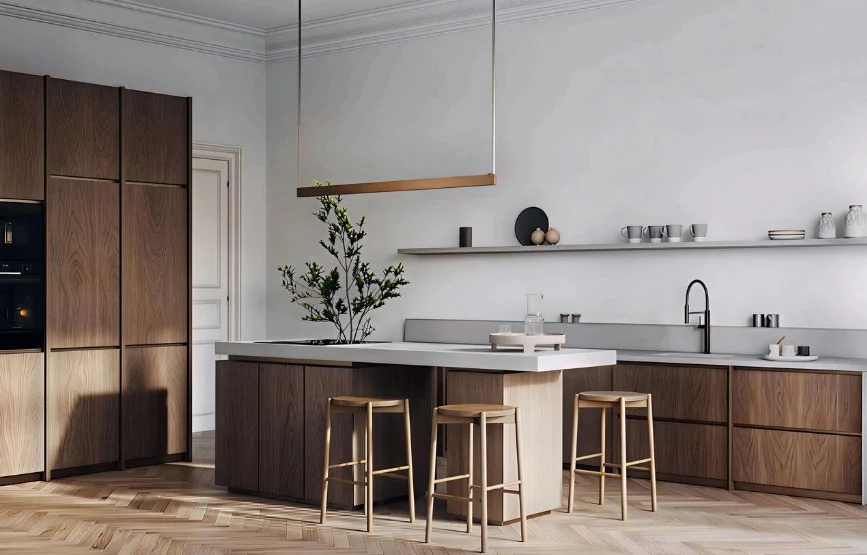
Here, the designerJacob Noah has stripped away all unnecessary ornamentation, employing an extremely restrained color palette to make the space appear more expansive; yet, the addition of metallic pendant lights serves as a subtle accent, rendering the entire space minimalist—simple, but never simplistic.
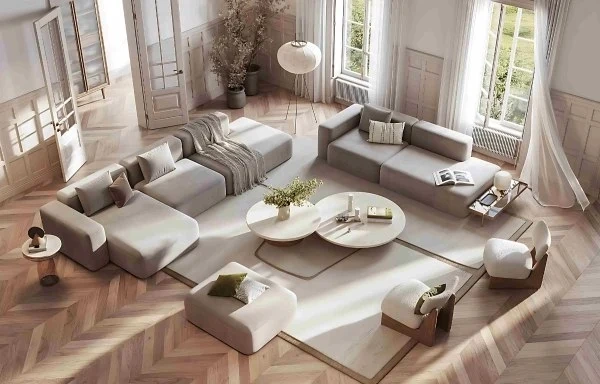
19.Japanese-style wood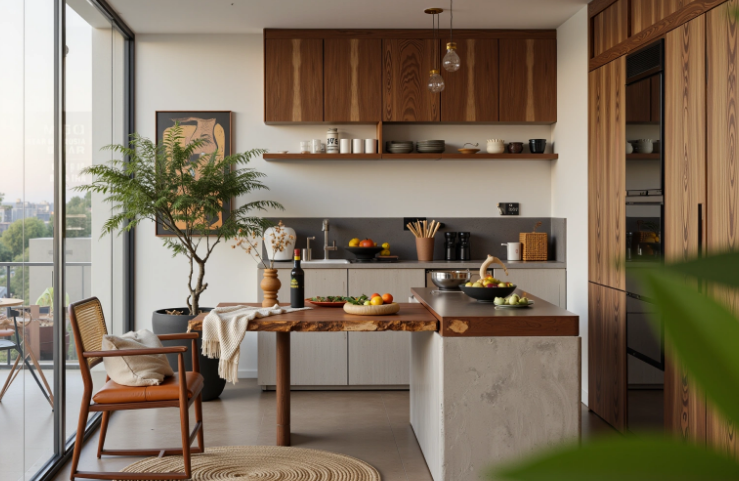
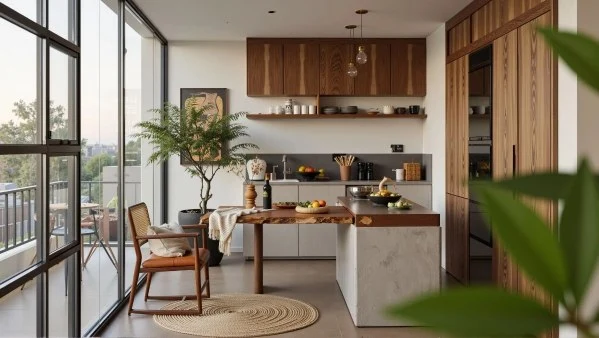
The design team softened the coldness of the stone with warm wood, and paired it with greenery and floor-to-ceiling windows to create a cozy "Japanese dining room" atmosphere in the kitchen.
20.Special Splash Guard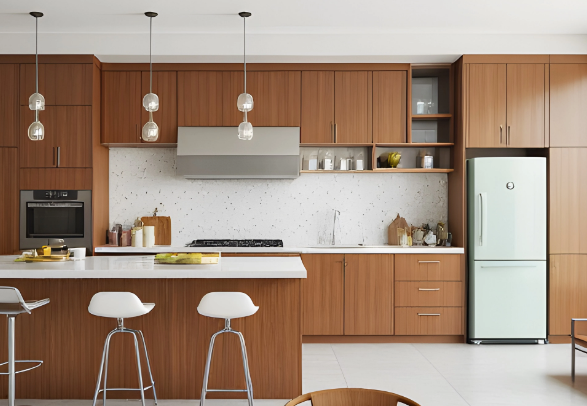
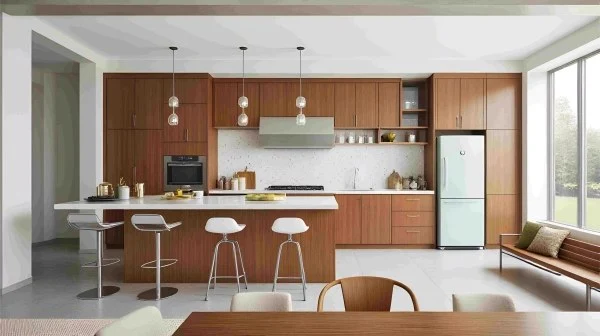
If you find a monochromatic kitchen scheme to be monotonous, consider adopting a designer's approach: select a distinctive backsplash. This unique, ink-splatter-inspired design breathes new life into otherwise rigid wooden surfaces.
Conclusion
The core of small kitchen design lies in efficient space utilization and visual simplicity. Open or combined kitchen-dining layouts, along with mini islands and corner designs, maximize space efficiency. Built-in appliances, folding dining tables, floor-to-ceiling cabinets, and wall-mounted storage enhance functionality, while high-quality hardware improves the user experience.
Visually, the design prioritizes minimalism, accented with subtle color contrasts and decorative touches. Lighting combines ambient light with LED strips to enhance depth and a sense of openness, achieving a harmonious balance between efficiency and aesthetics in a small space.
Small Kitchen Design Ideas FAQ
1.How can I make a small kitchen feel more spacious?
Use light colors, unified materials, and open layouts. Keep it clean and add good lighting to enhance the sense of space.
2.What layout works best for a small kitchen?
Linear and L-shaped layouts are the most efficient, ensuring a smooth workflow.
3.Are islands suitable for small kitchens?
Yes, mini or multifunctional islands can add prep space, storage, and dining functions.
4.How do I maximize storage in a small kitchen?
Use full-height cabinets, wall storage, and pull-out hardware to make full use of space.